
Outdoor Solar Lighting Ideas: 18 Practical Ways to Light a Garden, Yard and Driveway
Practical outdoor solar lighting ideas for paths, steps, walls, fences, trees, driveways, patios and gates, with what each light type can really deliver and where it needs sun.
Key points
- Use solar lights where they get at least 5–6 hours of direct sun; shaded corners suit low-voltage lights better.
- Mix three layers: path and step lights for safety, wall and post lights for entrances, and accent lights for trees and features.
- Brightness depends on panel and battery size: small stake lights give a glow, larger wall and post lights can light an entrance properly.
- For driveways, gates and private roads longer than about 30 m, a small all-in-one solar street light does more than many garden lights.
Solar lights are the easiest way to add light outdoors: no trenching, no cables and no electrician. But a garden full of dim stake lights rarely looks good. The best results come from choosing the right type of light for each job and putting it where the panel sees the sun. Here are practical ideas, grouped by where they go.
Before you start: the sun test
Every idea below depends on one thing: direct sun on the panel. Walk the garden at mid-morning, noon and mid-afternoon and note which spots are in sun. A solar light with five or six hours of direct sun will work well through most of the year; one with two hours will be dim by mid-evening. Where the light is needed in shade, choose models with a separate panel on a cable, so the panel can sit in the sun while the light sits in the shade.
Paths and walkways
1. Path lights along the edges. Place solar path lights every 1.5–2.5 m along one side of a path, or staggered on both sides of a wide one. Staggering looks more natural than a runway of lights in pairs.
2. Low bollards for wider paths. Taller solar bollards of 40–80 cm throw light further across the path and are harder to knock over than stake lights.
3. Brick or paver lights. Solar lights set into the paving give a subtle guide line that cannot be tripped over or kicked. They suit modern patios and driveways but give little useful light on their own.
Our pathway lighting guide covers spacing and brightness in more detail.
Steps and decks
4. Step lights on risers or stair stringers. Small solar step lights fixed to each second or third riser show the edge of each step, which is the most important safety job outdoors. See solar step lights.
5. Deck post caps. Solar post caps on deck and fence posts light the perimeter of a deck without cables.
6. Deck and rail lights. Small lights under the rail cap wash the deck boards with light without glare in the eyes. The solar deck lights guide explains what to look for.
Doors, walls and gates
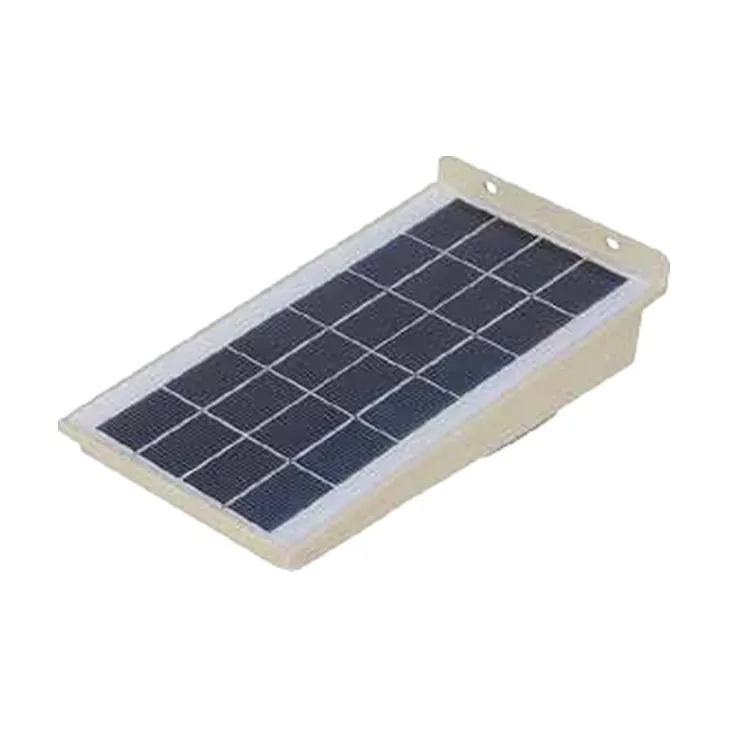
7. Solar wall lights at the front door and back door. A wall light with a motion sensor gives bright light when someone arrives and a low glow the rest of the night, which stretches the battery. Our solar wall light SL3530J005 is designed for this kind of perimeter use.
8. Wall lanterns for a classic look. Lantern-style solar lights suit older houses and courtyards. See solar wall lanterns.
9. Gate and pillar lights. Pillar caps and small post-top lanterns mark an entrance and help visitors and delivery drivers find the gate.
10. House number lights. A lit house number helps guests and emergency services. Our guide to solar lighted address signs covers placement and visibility.
Fences and boundaries
11. Fence lights every few metres. Small solar fence lights along a boundary give a soft line of light and make a garden feel larger at night. See solar fence lights.
12. Motion-activated security lights at corners. Solar motion lights at the side passage, shed and bins give bright light only when needed. The solar motion detector lights guide explains range and settings.
Trees, plants and features
13. Uplight a tree. A solar spotlight at the base of a tree, angled up through the canopy, gives the biggest visual effect for the least light. Put the panel where it gets sun, not under the tree. See solar lights for trees.
14. Light a feature. Statues, water features and specimen shrubs look best with a single, well-aimed light rather than several weak ones.
15. Decorative lights on patios and pergolas. Solar string lights, lanterns and hanging lights add atmosphere where people sit. They are decorative rather than functional, so combine them with a brighter light near steps. Our decorative solar lights guide covers the options.
Driveways and private roads
16. Post lights at the driveway entrance. A pair of solar post lights marks the entrance clearly from the road. See solar post lights.
17. A small solar street light for long drives. For driveways and private roads longer than about 30 m, farm tracks and rural yards, garden lights are too small. A single all-in-one solar street light on a 4–6 m pole lights a large area with one panel and one battery. Our residential solar street lights guide explains sizing for homes and estates.
18. Solar floodlights for yards and parking areas. A solar floodlight with a separate panel lights a yard, parking area or sports court. Size the panel and battery for the hours you need, using the worst month’s sun hours.
Putting it together: three layers
Good outdoor lighting usually has three layers:
- Safety light on paths, steps and changes of level
- Entrance light at doors, gates and the driveway
- Accent light on trees, plants and features
Start with safety, then entrances, and add accents last. A garden lit in layers looks deliberate; one lit with a single type of light scattered everywhere looks like a runway.
How bright can solar lights be?
The brightness of a solar light is limited by the energy its panel collects in a day. A small stake light with a panel the size of a matchbox collects enough for a soft marker glow. A wall light with a panel the size of a book can give a few hundred lumens for several hours, or bright light on motion all night. A street light with a large panel and a lithium battery can light a road. Ignore lumen claims that do not match the panel size; a tiny panel cannot power a bright light all night, whatever the box says. Our guide to solar lights that stay on all night explains the maths.
Common mistakes
- Putting lights where the panel is shaded by the house, trees or the light’s own head
- Buying many weak lights instead of a few good ones
- Aiming spotlights into eyes or neighbours’ windows
- Forgetting that winter days are shorter; check performance in the darkest month
- Not cleaning panels; dust and leaves cut output
When solar is not the right answer
Solar is not the best choice under dense trees, on north-facing walls in the northern hemisphere (south-facing in the southern), or where lights need to be bright for many hours every night. In those spots, a low-voltage landscape lighting system is more reliable. Many gardens mix both: low-voltage in shaded beds, solar on sunny edges and at the far end where cables would be long.
Caring for solar lights
Clean panels every few weeks in dusty places and after autumn leaf fall. Replace rechargeable batteries in small garden lights every one to two years; our guide to rechargeable batteries for solar lights explains which types to buy. Larger lights with lithium iron phosphate batteries last much longer. Bring cheap lights indoors in very cold winters if the manufacturer recommends it.
Ordering for projects
For hotels, resorts, housing estates and public gardens we supply garden, wall, flood and solar street lights by project. Send us a site plan with the areas to be lit and we will suggest a mix of light types, quantities and spacing.
Sources
Frequently asked questions
What are good outdoor solar lighting ideas?
Line paths with solar path lights, light steps with step lights, put solar wall lights at doors and gates, add post lights at the driveway entrance, uplight a tree or feature with a solar spotlight, and use string or lantern lights on patios. Place each where its panel gets direct sun.
Are solar lights bright enough to light a yard?
Small stake lights only mark edges. To light an area you need larger lights with bigger panels and batteries, such as solar wall lights, solar floodlights or a small all-in-one solar street light on a pole.
Where should you not use solar lights?
Under dense trees, on north-facing walls in the northern hemisphere, under deep eaves and anywhere that gets less than about four hours of direct sun. Use low-voltage or mains lights there.