
Gate Post Lights: Pillar Caps, Lanterns and Solar Options for Driveway Gates
How to choose and install gate post lights: pillar cap and lantern styles, sizes for brick and wooden posts, mains, low voltage or solar power, brightness, sensors and weatherproofing.
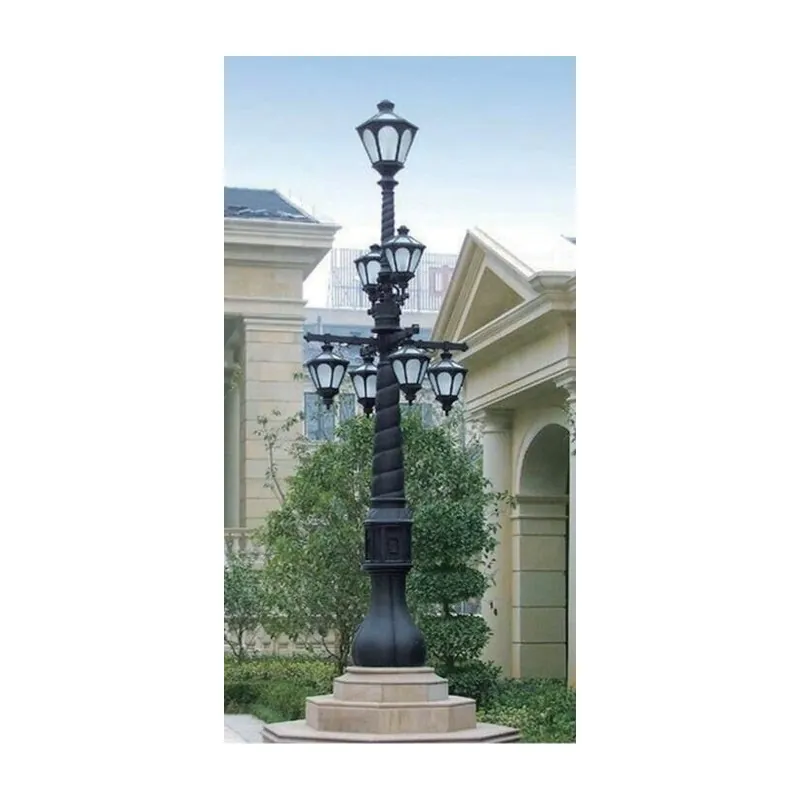
Key points
- Gate post lights mark an entrance, help visitors find the gate and light the ground where cars and people turn in.
- Choose the size by the post: the light's base should be about two-thirds to three-quarters of the pillar width.
- Mains power gives steady light; solar suits gates far from the house; low voltage suits gardens that already have a transformer.
- Warm white of 2700–3000 K and 100–600 lumens per light suits most residential gates.
Lights on gate posts do three jobs: they tell visitors where the entrance is, they light the ground where cars turn in and people open the gate, and they set the tone for the property. This guide covers the styles, sizes and power options, and how to install them so they last.
Styles of gate post light
Pillar caps. A light that sits flat on top of a brick or stone pier, often with a square base matching the pier. They give a clean, modern look and spread light around the top of the post.
Lanterns. Classic coach lanterns on a base or short stem, suited to traditional houses, farm entrances and estates. They are taller and more visible from the road.
Globes. Spherical lights on top of piers, common on modern homes and commercial entrances. Opal globes give a soft, even glow.
Wall-mounted pier lights. Small lights fixed to the face of the pier, aimed down at the drive or the gate. Useful when the top of the pier carries a cap stone or ornament.
Post-top lights on separate posts. Where gates hang on timber or steel posts, a short lamp post beside the gate often works better than fixing a light to a moving or narrow post. See our driveway lamp post guide.
Sizing to the post
A light that is too small looks lost on a big brick pier; one that is too large looks top-heavy on a small post. As a rule of thumb:
| Pier or post width | Light base | Typical light height |
|---|---|---|
| 100–150 mm timber post | 90–120 mm | 150–300 mm |
| 300–350 mm brick pier | 200–250 mm | 300–450 mm |
| 450–600 mm stone pier | 300–450 mm | 450–700 mm |
Check the mounting: pillar caps usually need a flat surface or a mounting plate; lanterns may need a base adapter for the pier width.
Power options
Mains
Mains lights give steady light every night and can use any style. They need a cable from the house or a supply point, laid in a duct under the drive, and a qualified electrician. If you are digging anyway for gate automation, lay the lighting cable at the same time.
Low voltage
If the garden already has a low-voltage landscape system, a gate light can be added on its own cable run from the transformer. Low voltage is safer for DIY on the lighting side, but long runs to a distant gate suffer voltage drop; see low voltage landscape lighting.
Solar
Solar gate lights need no cable, which makes them ideal for gates at the end of long drives, field entrances and rental properties. Their limits are brightness and winter performance. Choose models with a decent panel, a replaceable battery and a warm white LED, and check that the post gets several hours of direct sun. Our solar post lights guide explains what to look for, and solar lights that stay on all night explains the panel and battery sizes needed for all-night light.
How bright should they be?
For a home entrance, 100–300 lumens per light gives a welcoming glow without glare; 300–600 lumens lights the ground around the gate more clearly. Commercial and estate entrances may need more, often supplemented by a separate floodlight or street light on the access road. Use warm white of 2700–3000 K for homes; 4000 K suits commercial sites.
Avoid clear glass with a bright bare LED, which dazzles drivers turning in. Frosted or opal diffusers, or lanterns with the source hidden, are more comfortable.
Sensors and timers
- Dusk-to-dawn photocells switch lights on automatically; see photocells for outdoor lights
- Timers turn lights off late at night to save energy and avoid light pollution
- Motion sensors brighten the light when a car or person approaches, and work well with solar lights to save battery
Weatherproofing and durability
Gate posts are exposed: rain, frost, salt near the sea and knocks from vehicles. Look for:
- IP65 or better for the whole light
- Die-cast aluminium, stainless steel or brass for metal parts; powder coating suited to outdoor use
- UV-stable diffusers that do not yellow
- Sealed cable entry from below
- Stainless steel fixings
Near the coast, choose marine-grade finishes and check the light’s corrosion rating.
Installing on a brick pier
- Plan the cable route before the pier is built if possible, with a duct up the centre
- For existing piers, drill down through the cap stone or run the cable up the back in a chase or conduit
- Fix a mounting plate or base with stainless anchors
- Make connections in a sealed junction box or the light’s base, with gel-filled connectors for low voltage
- Seal around the base with an outdoor silicone to stop water tracking into the pier
Mains connections should be done by an electrician and protected by an RCD or GFCI.
Matching the rest of the outdoor lighting
Gate lights work best as part of a scheme: path lights along the walk to the door, a wall light at the door and perhaps post lights along the drive. Keep the colour temperature consistent across all of them. For ideas, see our landscape lighting ideas and pathway lighting guides.
Common mistakes
- Lights too small for the pier
- Bright, cool-white bare LEDs that dazzle drivers
- Solar lights on shaded posts
- Cable laid without a duct under the drive, which makes later repair hard
- No allowance for the gate’s swing when fixing lights to timber posts
Gate lights for commercial and estate entrances
Business parks, factories, housing estates and hotels often need more than decorative pier lights. A pair of feature lights on the piers can be combined with a garden light or bollards along the entry, and street lights on the access road. We supply decorative garden and post lights alongside LED and solar street lights for projects; send us your entrance layout and we will suggest a matching set.
Sources
Frequently asked questions
What size light should go on a gate post?
As a rule of thumb, the base of the light should be about two-thirds to three-quarters of the pillar width, and its height about one-third to one-half of the pillar width for a cap, or taller for a lantern on a large brick pier.
Are solar gate post lights any good?
Good ones work well where the post gets several hours of direct sun. They give a marker glow or modest light. For bright light every night, or on shaded posts, mains or low-voltage lights are more reliable.
How do you wire a gate post light?
Run cable in a duct underground from the supply to the post, up through the post or a chase in the brickwork, and connect in a sealed junction box or the light's base. Mains work should be done by an electrician and protected by an RCD or GFCI.