
Solar Lighted Address Signs: Making House Numbers Visible at Night
How solar lighted address signs work, why visible house numbers matter for emergency services, sizes and mounting heights, backlit vs front-lit designs, charging on shaded walls, and estate projects.
Key points
- Visible house numbers help ambulances, fire crews and deliveries find a property at night; many fire services recommend lit numbers.
- Solar address signs use a small panel and battery to backlight or front-light the numbers from dusk, with no wiring.
- Numbers should be large and high-contrast, roughly 10–15 cm tall for homes and larger where read from the road.
- Mount where the panel gets direct sun and the sign faces the street; on shaded walls choose a separate panel or wired sign.
A house or business that cannot be found at night costs time: for visitors, delivery drivers and, most importantly, emergency services. Illuminated address numbers solve this, and solar versions do it without wiring.
Why visible numbers matter
Fire, ambulance and police crews often search for addresses in the dark, especially in rural areas, new estates and long streets with similar houses. Many emergency services encourage residents to display large, contrasting, illuminated numbers visible from the road. Delivery and taxi drivers benefit too.
How solar address signs work
A typical solar address sign includes:
- A sign panel with the house number or name
- LEDs that backlight the numbers (shining through them) or front-light them
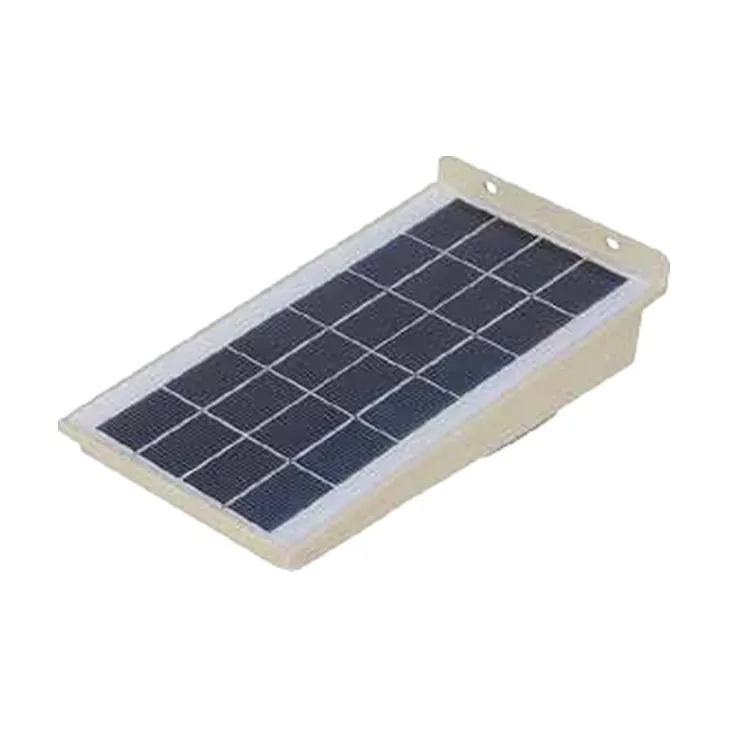
- A small solar panel, often on top or on the back
- A lithium battery and a dusk sensor
At dusk the sign lights automatically. Good models run all night after a sunny day; others run for a set number of hours to save battery.
Backlit or front-lit?
Backlit signs have translucent numbers that glow from behind. They are very readable at night and look modern.
Front-lit signs have a small light above or beside the numbers. They suit traditional designs, such as metal or stone plaques.
Reflective numbers are not lit but reflect car headlights; they help as a backup but are not visible from all angles.
Size and contrast
- Number height of about 10–15 cm for homes read from a short driveway
- 15–20 cm or more where numbers must be read from the road or across a wide verge
- Light numbers on a dark background, or dark numbers on a lit background
- Simple, bold fonts; decorative scripts are hard to read quickly
Mounting
- Face the sign towards the road from which people approach
- Mount at about 1.2–1.8 m, clear of plants and parked cars
- Avoid placing it next to a bright porch light, which can stop the dusk sensor switching on and also creates glare
- On gate pillars, posts or mailboxes at the road edge for long driveways
- Use stainless fixings
Charging
The sign’s panel is small, often 0.5–2 Wp. It needs several hours of direct sun:
- South, east or west-facing walls in the northern hemisphere work well
- North-facing walls and covered porches rarely charge enough
- In winter, runtime drops; signs with larger batteries or lower brightness last longer
For a shaded wall, choose a sign with a separate panel on a cable or a mains-powered sign. The same rules apply as for other solar lights; see solar lights that stay on all night.
Brightness and colour
Address signs do not need to be bright; they need to be readable. A soft, even glow of white or warm white light is easier to read than a bright point. Blue and green LEDs can look attractive but are less readable from a distance for some people.
Materials
- Aluminium or stainless steel frames
- UV-stable acrylic or polycarbonate faces that will not yellow
- IP65 or better
- Replaceable battery
Combining with other lighting
An address sign works best with simple entrance lighting: a wall light or lantern by the door, and lights on gate pillars. Our guide to solar wall lanterns covers solar lighting for doors and gates in classic styles, and our solar wall light gives stronger light for gates and yards.
Estates, hotels and businesses
For residential developments, holiday parks, hotels and business parks, consistent, lit unit numbers and directional signs make sites easier to navigate at night. Options include:
- Lit numbers on each house or unit
- Lit block or building numbers on posts at junctions
- Lit directional signs at entrances
- Solar post-top lights along internal roads to make signs and paths visible
Our garden post lights come in mains and solar versions for estate roads and paths.
Maintenance
Wipe the panel and sign face every few months, trim plants that grow in front, check that the sign still lights all night in winter, and replace the battery when runtime drops.
Common mistakes
- Numbers too small to read from the road
- Signs hidden behind plants or porches
- Panels in shade
- Decorative fonts and low contrast
- Signs placed beside bright lights that confuse the sensor
Rural properties and long driveways
In rural areas, houses are often set back from the road behind hedges or long drives, and the number on the house is invisible from the road. The best place for a lit sign is then at the road entrance: on a gate pillar, a post or the mailbox. Make the numbers large enough to read from a car, and add reflective numbers on the post as a backup. For farms and properties with several buildings, a second sign at the yard entrance helps crews find the right building.
Businesses and commercial units
Business parks, warehouses and retail units often have unit numbers that are hard to find at night. Lit numbers beside each entrance, plus a lit directory sign at the site entrance, reduce wasted time for deliveries and visitors. For sites already lit by wall packs and floodlights, a small lit sign near each door may be enough; for dark sites, combine signs with entrance lighting.
Projects
For developers and property managers, send us the site plan, the number of units and the look you want. We can suggest lit signage positions and matching solar or mains lighting for entrances and roads.
Sources
Frequently asked questions
Why use a lighted address sign?
So that emergency services, visitors and delivery drivers can find the property after dark. Unlit numbers on dark walls are often impossible to read from a moving vehicle.
How do solar address signs work?
A small solar panel charges a battery during the day. At dusk, a light sensor switches on LEDs that backlight or front-light the numbers, usually all night or for a set number of hours.
Where should a lighted address sign be placed?
Facing the street, at about eye level or a little higher, clear of plants and porch lights, where the numbers can be read from the road. The panel must see direct sun for several hours.