Outdoor Canopy Light Ideas: Carports, Entrances, Patios and Forecourts
Outdoor canopy lighting ideas for carports, entrances, patios, walkways, fabric canopies and forecourts, with real counts: 4–6 downlights for a carport, 8 for a 20 m walkway.
Key points
- A canopy is a low, open roof, so the light must be bright underneath, gentle at the edges and shielded from the eyes of people walking or driving in.
- In our calculator, a 6 × 3 m carport with a 2.6 m ceiling reaches about 59 lux with four 9 W surface downlights, and about 88 lux with six.
- A building entrance canopy of 8 × 4 m at 100 lux needs about ten to twelve 12 W downlights; a 20 m covered walkway needs eight 12 W downlights in one line for about 55 lux.
- Fuel forecourt canopies need much higher light, recessed square canopy fittings and attention to hazardous zones; brand stripes on the fascia are a separate 12 V circuit.
A canopy is a roof without walls: a carport, an entrance porch, a covered walkway, a patio cover or a fuel station forecourt. Lighting one looks simple, but the low ceiling and open sides make glare and uneven light easy to get wrong. Here are ideas for each type, with real fitting choices and counts worked out by the lumen method.
Outdoor canopy lighting ideas at a glance
| Canopy | Idea | Fittings (worked out below) | Light level |
|---|---|---|---|
| Single carport, 6 × 3 m | Surface downlights on a sensor | 4–6 × 9 W | about 59–88 lux |
| Entrance canopy, 8 × 4 m | Recessed downlights plus door spots | 10–12 × 12 W | about 100–130 lux |
| Patio cover or pergola | Warm, dimmable downlights and hidden linear light | depends on size | 20–50 lux |
| Covered walkway, 20 × 2.5 m | One line of downlights | 8 × 12 W | about 55 lux |
| Fabric canopy or shade sail | Uplight the fabric from posts | 2–4 spots | soft glow |
| Fuel forecourt | Recessed canopy fittings, fascia strip | per site | much higher, brand standard |
How to light an outdoor canopy in four steps
- Decide the use and the light level. Parking and unloading need about 50 lux, an entrance about 100 lux, a dining patio only 20–50 lux, dimmable.
- Match the fitting to the roof. Recessed downlights need a ceiling void; surface cylinders suit exposed rafters and metal sheets; linear lights suit long, narrow canopies. Keep the LEDs out of direct view at low height.
- Work out the count. Use the area, the height and the fitting lumens, as in the examples below, or our lumen-method calculator. Space fittings about equal to the mounting height for even light.
- Add controls and weather protection. IP65 near open edges, and a photocell, timer or motion sensor so the canopy is not lit all night for nobody.
Principles that apply to every canopy
- Light the floor, not the eyes. A canopy is often only 2.4–3 m high. Bare LEDs at that height are directly in view. Use fittings with diffusers or recessed optics.
- Even light under, softer light around. People step from a lit canopy into darkness. Spill a little light past the edge, or add path lights, so the change is not abrupt.
- Weather rating. Rain blows under open canopies. IP65 is the sensible minimum near the edges.
- Controls. Most canopies do not need full light all night. Photocells, timers and motion sensors cut running time.
Idea 1: carport
A carport needs light to park, unload and see the path to the door.
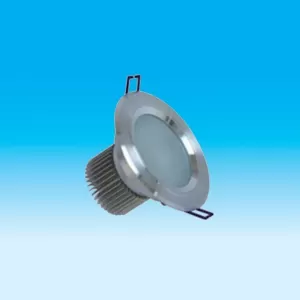
Worked example. A single carport of 6 × 3 m with a 2.6 m ceiling, target about 50 lux on the floor, using our BG-TDT surface-mounted downlights at 9 W and 90 lm/W (about 810 lm each). In our lumen-method calculator with medium reflectance and a wide beam:
- the minimum count is 4 fittings, giving about 59 lux;
- a tidy 3 × 2 grid of 6 fittings gives about 88 lux, with fittings 2 m apart along the length.
Four is enough for parking. Six makes sense if the carport doubles as a workspace. Put the lights on a motion sensor or a dusk-to-dawn timer.
Surface-mounted cylinders suit carports with exposed rafters or metal roofs, where there is no void for recessed fittings. Our article on cylinder downlights covers the surface-mounted versions.
Idea 2: building entrance canopy
Shops, hotels, offices and clinics need a welcoming entrance that also lights faces for cameras and staff.
Worked example. An 8 × 4 m entrance canopy with a 3.5 m soffit, target 100 lux, with 12 W downlights (about 1,080 lm each): the calculator gives a minimum of 10, and a 4 × 3 grid of 12 gives about 130 lux.
Ideas to lift the design:
- Accent the door and signage with a pair of narrow-beam spots.
- Wash the columns with up-and-down wall lights to give the canopy depth.
- Mark the edge with a linear light along the fascia so the entrance reads from the street.
Idea 3: patio cover and pergola
A patio cover is a living space, not a passage. Use lower light and warmer colour:
- Dimmable warm-white downlights (2,700–3,000 K) in the cover, set to 20–50 lux for dining.
- Linear lights hidden on a beam to bounce light off the ceiling for a soft glow.
- Wall lights on posts, aimed down.
- Strip lights under a bar counter or step.
For pergolas with open slats, fittings must cope with direct rain; choose IP65 linear lights and seal every joint. Our solar porch lights guide covers options where running a cable is hard.
Idea 4: covered walkway
Long walkways between buildings, car parks and entrances look best with a rhythm of fittings at even spacing. Two common patterns:
- Downlights in a single line along the centre, spaced about equal to the mounting height.
- Linear lights end to end for a continuous line, which also guides people at night.
Worked example. A covered walkway of 20 × 2.5 m with a 3 m ceiling and a target of 50 lux on the floor: with BG-TDT downlights at 12 W and 90 lm/W, our calculator gives 8 fittings in a single line, 2.5 m apart, for about 55 lux at 1.9 W/m². Using 9 W fittings instead pushes the count to 18 in two rows, because spacing then limits the layout, so the 12 W single line is simpler and cheaper.
Keep the light on the walking surface and add a little at each end where the walkway meets open ground.
Idea 5: fabric canopy, gazebo and shade sail
Fabric canopies cannot carry fittings, and fixing cables to a sail is asking for trouble in wind. Light them from below instead:
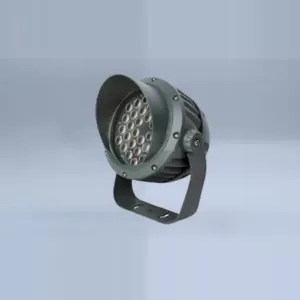
- Uplight the fabric with two to four narrow spots on the posts or in the ground, aimed at the underside. White or light fabric glows and reflects soft light down onto the seating. Our BG-TGJ spotlights start at 30 W with 15°–120° optics and IP65, enough for a large sail at night.
- Post-mounted lights at the anchor posts mark the edges and light the path in.
- Table and floor lights handle the task lighting, so the canopy itself only needs a gentle glow.
For gardens without power, see our solar porch lights guide for battery-powered options.
Idea 6: fuel forecourt canopy
Fuel stations are a special case. Forecourts are lit much more brightly than homes or entrances so that drivers, staff and cameras can see clearly, and parts of the forecourt are classified hazardous areas.
- Under the canopy: recessed or flush square canopy fittings with diffusers. Our guide to LED square canopy lights works through the light levels and counts.
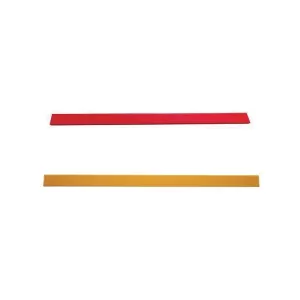
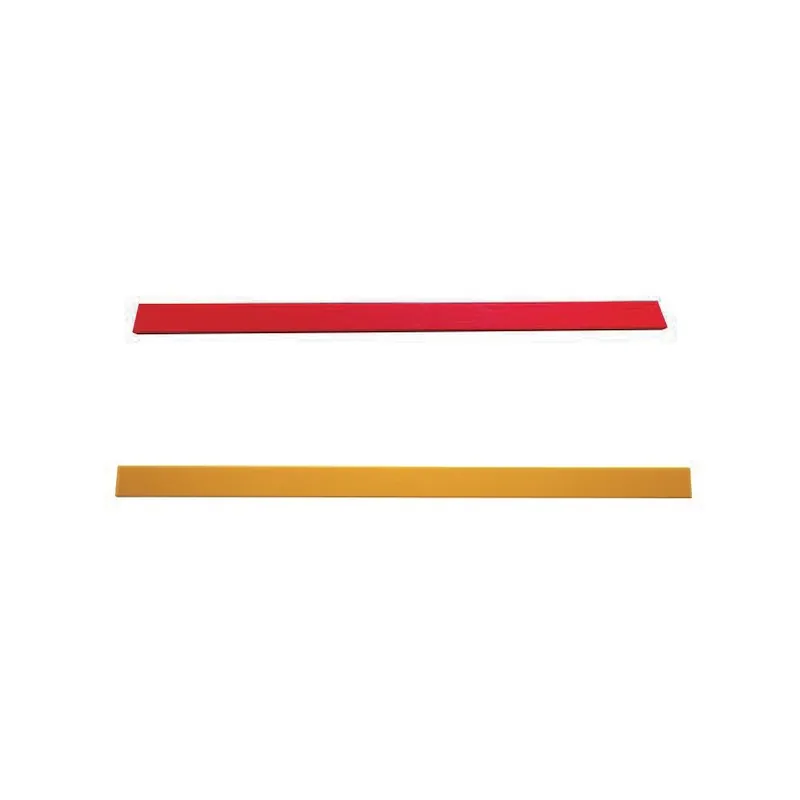
- On the fascia: brand-coloured light strips. Our BG-TXC20 canopy strip is 20 W per metre at 12 V DC, IP65, in red or yellow acrylic. A 24 × 12 m canopy has a 72 m perimeter, which is 1,440 W of strip and several power supplies.
- Hazardous zones: lights inside the classified zones around dispensers and vents must be certified for them; the site drawing decides which fittings need what.
We supplied forecourt lighting for a Sinopec petrol station in Xiangtan, and the canopy fascia lighting guide covers the edge strips in detail.
Choosing colour temperature
| Canopy | Typical colour temperature |
|---|---|
| Home carport, patio, pergola | 2,700–3,000 K |
| Hotel and restaurant entrance | 3,000 K |
| Office, clinic, public building | 4,000 K |
| Fuel forecourt | 4,000–5,000 K |
Common mistakes
- Too few fittings at too high power, which gives bright spots and dark corners.
- Exposed LEDs at low height, which dazzle visitors.
- Ignoring rain, so drivers fail in the first wet season.
- No controls, leaving canopy lights on in an empty car park all night.
For contractors and retailers
Canopies come in endless sizes. Send us the dimensions, height, use and power supply, and we can work out the fitting count and layout with the same method as above, and supply downlights, linear lights and canopy strips for the whole project.
Sources
Frequently asked questions
What lights are best under an outdoor canopy?
Low-profile fittings that sit flush or close to the soffit: recessed or surface downlights for carports and entrances, linear lights for long walkways, and square canopy fittings for fuel forecourts. Choose IP65 where rain can blow in.
How do you light an outdoor canopy?
Decide the use and target light level, choose low-glare fittings that suit the roof (recessed, surface or linear), work out the count from the area and height, and add controls. A carport needs about 50 lux, an entrance 100 lux, a patio 20–50 lux, dimmable.
How many lights do I need for a carport?
For a single 6 × 3 m carport, four to six 9 W downlights give about 60–90 lux by our calculation, plenty for parking and unloading. A double carport needs about twice as many.
Should canopy lights be on a motion sensor?
For carports and side entrances, yes: a sensor or dim-to-bright control saves energy. Main entrances of shops and hotels usually stay on at a steady level during opening hours.
What colour temperature suits canopy lighting?
3,000 K for homes, hotels and restaurants; 4,000 K for offices and public buildings; 5,000 K is common on fuel forecourts, where brands want a bright, clean look.