
Victorian Street Lamps: History, British Styles and LED Heritage Lanterns Today
Victorian and British street lamps: gas lamp history, lantern and column styles, heritage streets today, converting old lanterns to LED, and modern British street lighting.
Key points
- Victorian street lamps were gas lanterns on cast iron columns; their shapes still define heritage streets in the UK and around the world.
- Typical styles include four-sided and six-sided lanterns, Windsor and Rochester lanterns, and ornate columns with ladder bars.
- Most surviving lanterns now run on electricity; many are being converted to LED with warm white light around 2700–3000 K.
- Modern British street lighting mostly uses LED road lanterns on steel columns, designed to BS 5489 and EN 13201.
Picture a Victorian street at dusk and you see a glazed lantern on a cast iron column, glowing warm yellow. That image still shapes how many towns light their historic centres. This guide explains where the Victorian street lamp came from, the main styles, and how heritage lighting is done today with LED.
A short history
Gas street lighting arrived in London in the early nineteenth century and spread through British towns during Queen Victoria’s reign (1837–1901). Coal gas was piped to lanterns on cast iron columns, and lamplighters lit them each evening and put them out at dawn, later replaced by clockwork and pilot-flame controllers. Gas mantles, introduced late in the century, gave brighter, whiter light.
Electric arc lamps and then incandescent lamps followed from the 1880s, and by the mid twentieth century most gas lamps had been converted or replaced. Low pressure sodium lamps, with their orange glow, dominated British roads from the 1950s to the 2000s, followed by high pressure sodium and now LED.
Victorian lantern styles
- Four-sided (square) lanterns: tapered glazed panels, often with a decorative crown
- Six-sided lanterns: common in later Victorian schemes and many reproductions
- Windsor-style lanterns: a popular reproduction style with a flared roof
- Rochester and Westminster-style lanterns: tall glazed forms associated with town centres
- Globe and bell lanterns: used in parks and promenades
Many reproductions combine features of several originals.
Columns
Victorian columns were cast iron, with:
- A wide, decorative base, often fluted or with relief patterns and maker’s names
- A tapering shaft
- A ladder bar (cross arm) near the top, where lamplighters rested their ladders
- A spigot or collar to carry the lantern
Some columns carried brackets with lanterns hung from scrolls, especially on narrow streets and bridges. See our cast iron lamp post guide for construction, restoration and parts.
Heritage lighting today
Conservation areas, historic town centres, cathedral closes, parks and seafronts still use Victorian-style lighting. Options:
- Restored originals: cast iron columns refurbished and lanterns rewired
- Reproductions: new cast iron or cast aluminium columns and lanterns copying historic designs
- Modern interpretations: simplified heritage shapes with LED optics
Councils usually agree designs with conservation officers, balancing appearance with light levels and maintenance.
Converting heritage lanterns to LED
Converting Victorian-style lanterns to LED cuts energy and maintenance while keeping the look:
- LED gear trays: LED modules and drivers that fit inside the lantern, often with optics that direct light down onto the street
- LED “mantle” effects: LEDs arranged to imitate the glow of a gas mantle when seen through the glass
- Complete LED heritage lanterns: new lanterns built around LED from the start
Key choices:
- Colour temperature: 2700–3000 K is usual; it matches the warm character of historic streets
- Light distribution: optics that reduce glare and upward light; plain glass shows the light source, so careful design matters
- Controls: dimming and part-night operation, often with central management
For lamp-based retrofits in private lanterns, see corn cob LED bulbs; for lantern heads on posts, see lamp post top replacement.
Modern British street lighting
Outside heritage areas, most UK councils have replaced sodium lanterns with LED road lanterns on galvanised steel columns, typically 5–12 m high. Design follows BS 5489-1 and BS EN 13201, with lighting classes set by road type. Many councils chose 4000 K at first and have since moved to 3000 K or warmer for residential roads, and many use central management systems to dim at night and report faults. See road lighting classes and LED street light dimming controls.
British street lights and solar
Solar street lights in the UK must be sized for very short winter days. They work on paths, car parks and rural roads with generous panels and batteries, and often part-night operation. See solar street lights in the UK.
Victorian-style lamps for homes and estates
Victorian-style lamp posts are popular for private drives, gardens and new housing estates. Cast aluminium reproductions are lighter and do not rust, and LED lanterns keep running costs low. For long drives without power, solar lanterns or solar lights on matching posts avoid trenching. See driveway lamp posts and solar post lights.
Choosing heritage lanterns
- Match the style and proportions to the street and existing columns
- Check light levels against the road’s class or the space’s use
- Choose warm white and low-glare optics
- Specify robust materials: die-cast aluminium, copper or stainless steel, toughened or polycarbonate glazing
- Make sure the lantern fits the column’s spigot and that access for maintenance is easy
Light pollution and wildlife
Old lanterns spread light in all directions, including upward. Modern LED heritage lanterns can keep the look while sending far less light to the sky. In conservation areas next to rivers, parks and countryside, warm white and good cut-off reduce effects on bats, insects and the night sky.
Keeping the character without the cost
The appeal of Victorian street lighting lies mostly in the columns and lantern shapes, and in warm light at a human scale. Those can be kept while the running costs fall dramatically. A typical conversion from old discharge lamps to LED in heritage lanterns cuts energy by well over half and removes the lamp changes that used to be needed every few years.
Our role
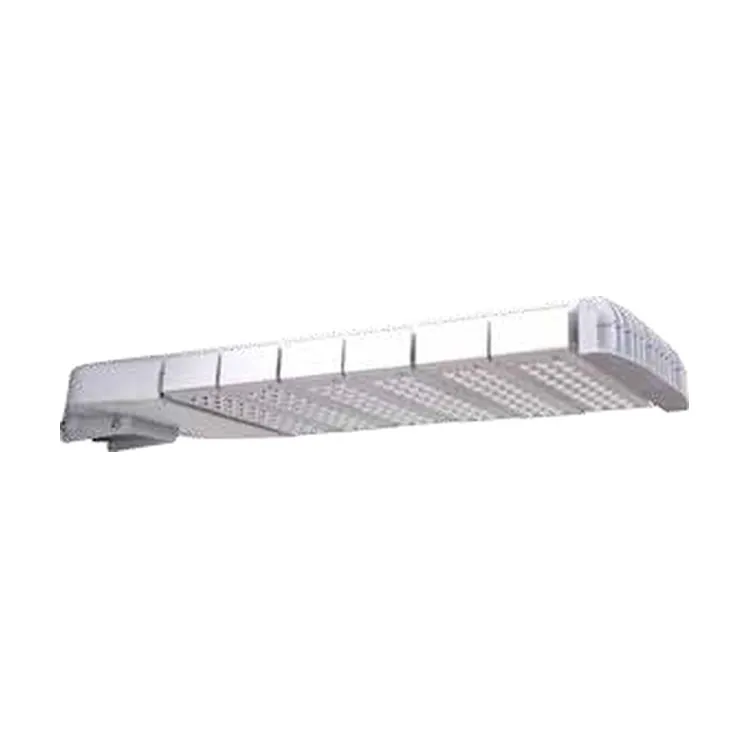
We manufacture LED street lights and supply decorative and heritage-style lanterns for town centres, parks and estates, with optics designed to light the street rather than the sky. Our modular road lights, such as the modular LED street light LDM30C, are used on the main roads that lead into heritage areas. Send us photos of the columns and the look you want, and we will suggest lanterns that fit.
Sources
Frequently asked questions
What did Victorian street lamps look like?
Most were glazed lanterns with four or six sides, often with a crown and finial, on cast iron columns with a decorative base and a ladder bar near the top. They burned coal gas and were lit by lamplighters.
Are there still gas street lamps in the UK?
Yes, a small number of gas lamps remain in London and a few other places, maintained for their heritage value. Most historic lanterns have been converted to electricity.
What lights do British streets use now?
Most UK councils have converted to LED road lanterns on steel columns, usually 3000 K or 4000 K, often with central management systems. Heritage areas use LED lanterns in traditional styles.