
Cast Iron Lamp Posts: Bases, Replacement Parts, Restoration and LED Lanterns
Cast iron lamp posts explained: heritage designs, bases and anchor bolts, replacement parts such as lanterns, arms, doors and finials, restoration and painting, and converting lanterns to LED.
Key points
- Cast iron lamp posts are heavy, decorative and long-lived; many heritage posts are over a century old and still in service.
- Most posts are a cast iron base and shaft on a concrete foundation, topped by a lantern, arm or crown; parts can usually be replaced individually.
- Restoration means removing rust and old paint, repairing cracks, priming with a zinc-rich or epoxy primer and repainting.
- Converting heritage lanterns to LED keeps the look while cutting energy and maintenance.
Cast iron lamp posts give historic streets, parks, campuses and private drives much of their character. Many still in use were cast more than a hundred years ago. Keeping them working, or adding new ones that match, raises practical questions about bases, parts, painting and lighting. This guide answers them.
Anatomy of a cast iron lamp post
A traditional post is made of several parts bolted or slotted together:
- Base: the heavy, often decorative bottom section, sometimes with an access door for wiring
- Shaft: a fluted or plain column, sometimes integral with the base
- Ladder bar or cross arm: originally used to rest ladders for lamplighters
- Collar and capital: decorative rings near the top
- Lantern, globe or arm: the light itself, on a post top, or on one or more arms
- Finial or crown: a decorative top piece
Each part can usually be removed and replaced, which is why so many old posts survive.
Cast iron, cast aluminium and steel
| Material | Weight | Corrosion | Strength | Typical use |
|---|---|---|---|---|
| Cast iron | Very heavy | Rusts if paint fails | Very high, brittle on impact | Heritage streets, restoration |
| Cast aluminium | Light | Does not rust | Good | Reproduction posts, parks, estates |
| Steel with cast details | Medium | Needs galvanising | High | Taller decorative poles |
Cast iron is brittle: a heavy vehicle impact can crack it. Cast aluminium bends rather than shatters and is far easier to handle. Many towns use cast aluminium for new posts and keep cast iron for listed or historic locations.
Lamp post bases and foundations
Cast iron posts are heavy, often 150–400 kg. They usually stand on a concrete foundation with anchor bolts through holes in the base flange, or are set into a socket in the concrete. Smaller posts may be root-mounted, with the lower part embedded like a direct burial pole.
When replacing or installing a base:
- Use a foundation designed for the post’s weight, height and wind load
- Set anchor bolts to the base’s bolt pattern with a template
- Install a duct for the supply cable
- Level the base carefully; a leaning post is very noticeable
Base covers and shrouds hide anchor bolts on reproduction posts. Our square light pole guide explains anchor base practice for modern poles, and direct burial light poles covers embedded installations.
Replacement parts
Common parts needed during repairs:
- Lanterns and globes: broken glass, corroded frames, or lanterns that no longer match
- Post tops and fitters: to adapt a new lantern to an old shaft; see lamp post top replacement
- Arms and scrolls: for single or twin arm posts
- Access doors and locks: often lost or rusted; needed to keep water and tampering out
- Finials and decorative rings: for appearance
- Ladder bars: replaced on restored posts for authenticity
- Internal gear: lamp holders, drivers, fuses, photocells and terminal blocks
Reproduction foundries can often cast replacement parts from an original as a pattern. Record the dimensions and design of each part before ordering.
Restoring a cast iron post
- Survey: check for cracks, missing parts, lean and rust at the base
- Remove: for full restoration, take the post off site; otherwise work in place with protection around it
- Strip: remove old paint and rust by blasting or careful mechanical cleaning; old paint may contain lead, which requires safe handling and disposal
- Repair: cracks can be stitched or brazed by specialists; badly damaged sections replaced
- Prime: zinc-rich or epoxy primer to stop rust
- Paint: a durable topcoat, often black, dark green or a heritage colour specified by the local authority
- Reinstall: on a sound foundation, with new fixings and sealed access door
A well-painted cast iron post can go many years between repaints if small chips are touched up promptly.
Converting lanterns to LED
Historic lanterns originally held gas mantles, then incandescent, mercury or sodium lamps. Converting them to LED:
- LED retrofit module: an LED engine that fits inside the existing lantern, keeping the original glass and frame
- LED lamp: a screw-in LED corn or filament lamp; quick, but heat and glare must be considered
- New LED heritage lantern: a reproduction lantern built for LED, with optics that put light on the street rather than into the sky
Warm white of 2700–3000 K suits heritage settings and avoids the harsh look of cool white in old streets. Choose optics with low upward light to reduce glare and light pollution. Our guide to lamp post street lights covers lantern styles and output, and corn cob LED bulbs explains lamp-based retrofits.
Electrical safety in old posts
Old posts often have original wiring, missing earths and corroded terminals. During any work:
- Replace old cable and terminal blocks
- Ensure the metal post is properly earthed
- Fit a fuse or protective device in the base
- Seal the access door to keep water out
Mains work should be done by qualified electricians.
Private homes and estates
A cast iron or cast aluminium lamp post at the end of a drive or on a lawn gives a home a classic look. For homes far from a power supply, a solar heritage lantern or a separate solar light on a matching post avoids trenching. See driveway lamp posts and solar post lights.
Budgeting
Restoration is labour-intensive, so costs vary widely. Reproduction cast aluminium posts are often cheaper to install new than restoring badly damaged cast iron, but listed and historic posts may need to be kept. Combining restoration with LED conversion saves energy and maintenance for years, which helps justify the work.
Planning a heritage street scheme
For a whole street or square, survey every post: its condition, original design, lantern type, and how well it lights the street today. Old posts were often spaced for gas or low-power lamps and may leave dark gaps by modern standards. Options include adding matching new posts between old ones, using lanterns with better optics, or lighting footways from building-mounted lanterns. Agree the colour, lantern style and light levels with the conservation officer early, so the design does not stall later.
Matching new LED street lights to heritage posts
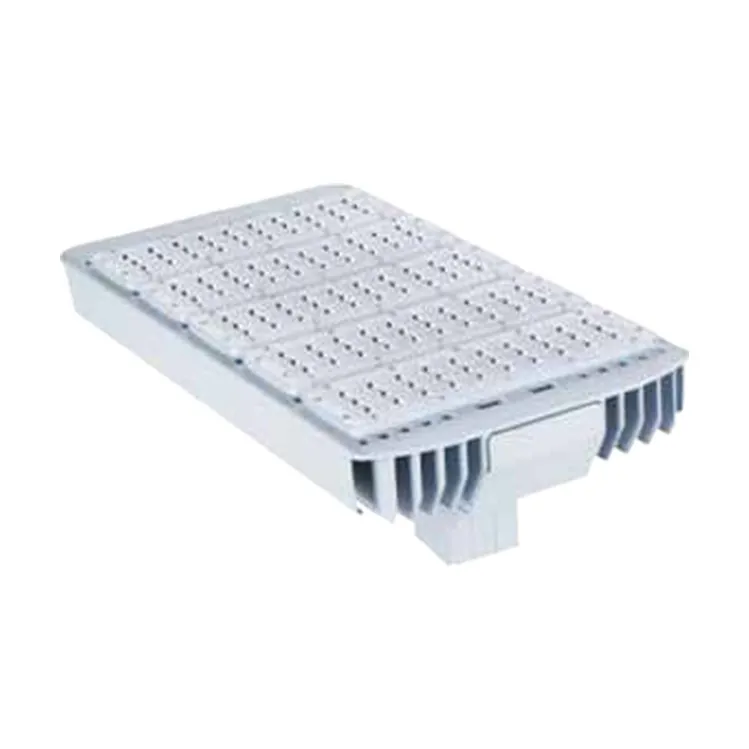
Where a street mixes heritage posts with modern poles, for example a historic centre that runs into newer roads, keep the colour temperature and light level consistent across the boundary. A heritage lantern at 3000 K beside a modern road light at 4000 K looks like a mistake. Many towns choose modern LED road lights in a dark finish with a simple shape for the newer roads, at the same 3000 K, so the whole route reads as one scheme. Our modular LED street light BGLDM30G is often specified in dark finishes for this kind of transition.
Our role
We supply LED street and area lights and decorative lanterns for town centres, parks and estates, and can match heritage looks with modern optics. Send us photos of existing posts, their dimensions and the light levels you need, and we will suggest lanterns or retrofit options.
Sources
Frequently asked questions
Are cast iron lamp posts still made?
Yes. Foundries still cast heritage-style posts, and many towns buy reproduction cast iron or cast aluminium posts that copy historic designs. Cast aluminium is lighter and does not rust, but cast iron is stronger and heavier.
What parts of a lamp post can be replaced?
Lanterns and globes, post tops, arms and brackets, access doors, finials and crowns, ladder bars, base covers, anchor bolts, and internal gear such as lamp holders, drivers and photocells.
Can you put an LED in an old cast iron lamp post?
Yes. Either fit an LED module or lamp inside the existing lantern, or replace the lantern with an LED heritage lantern of the same style. Check the post's wiring and earthing at the same time.