Decorative Parking Lot Lights: Lower Poles, Styled Heads and What They Cost in Poles
Decorative parking lot light fixtures compared with standard area lights: pole heights, spacing, glare and power, with a 16 m drive aisle worked out at three heights in our spacing calculator.
Key points
- Decorative parking lot lights trade height for character: styled heads on 4–6 m poles instead of plain area lights on 9–12 m poles.
- In our spacing calculator, a 16 m drive aisle lit to 10 lux needs about 14 poles per 100 m at 4 m height, 10 at 6 m and 7 at 9 m, with poles on both sides.
- Total power is similar at all three heights, about 3.8–4.3 kW per kilometre of aisle, so the real cost of decorative lighting is in poles, foundations and cabling, not energy.
- Choose decorative heads with a proper road or area optic and full cut-off; lanterns that throw light sideways cause glare and waste.
Parking lots at hotels, shopping streets, residential developments, parks and campuses often use decorative fixtures instead of plain shoebox area lights. They look better by day, feel friendlier by night and fit the scale of people walking. The trade-off is less obvious: lower poles mean more poles. This guide compares decorative and standard layouts with real numbers, and covers the details that keep decorative lighting from becoming glare.
What counts as decorative
“Decorative” covers a wide range:
- Styled LED heads that look like a sculpted luminaire but use a modern LED optic.
- Post-top lanterns in traditional or contemporary shapes.
- Bollards and low columns along pedestrian routes.
- Decorative arms and poles carrying otherwise standard heads.
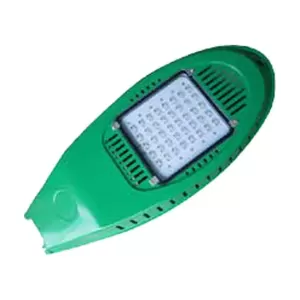
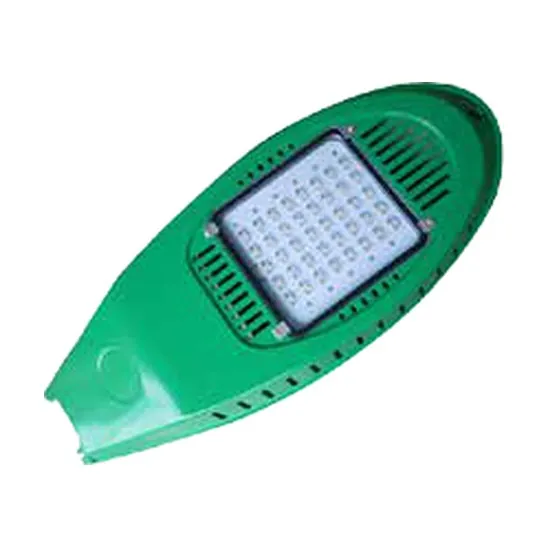
Our LDL30G orchid street light is an example of the first type: 20–80 W, more than 100 lm/W, a 140° × 80° road optic, IP65, for 4–10 m poles, and also available as a DC 12/24 V version for solar systems.
Height decides the number of poles
Pole spacing grows with mounting height. Lower poles throw light less far, so they must be closer together. We worked out a common case in our pole height and spacing calculator: a 16 m drive aisle (two parking rows and the lane) lit to 10 lux, class P2, with poles on both sides of the aisle.
| Layout | Head | Spacing | Average | Poles per 100 m of aisle | Power per km |
|---|---|---|---|---|---|
| 4 m decorative | LDL30G 30 W | 14 m | about 12.8 lux | about 14 | about 4.3 kW |
| 6 m decorative | LDL30G 40 W | 21 m | about 10.6 lux | about 10 | about 3.8 kW |
| 9 m standard | LDM30C 60 W | 31 m | about 10.3 lux | about 7 | about 4.0 kW |
Three points stand out:
- Power is almost the same at all three heights. Lower poles need smaller heads.
- Pole count doubles from 9 m to 4 m. Every pole adds a foundation, a cable joint, a base and future maintenance.
- 6 m is a good compromise for many sites: clearly decorative, pedestrian in scale, and only about 40% more poles than a 9 m layout.
For the standard approach to pole heights and layouts, see our parking lot lighting design guide.
Glare and light spill
Decorative lighting fails most often on glare. A lantern with clear glass and a bare LED at 4 m is right in drivers’ and pedestrians’ eyes. Check:
- Optic. Choose heads with a real road or area lens, which puts light on the ground rather than sideways.
- Cut-off. Full cut-off or nearly so keeps light below the horizontal and out of windows and the night sky.
- Diffused source. Where a lantern look is required, choose versions with an LED module aimed down inside, not an exposed lamp.
- Colour temperature. 3,000 K suits hotels, homes and historic settings; 4,000 K is common on commercial sites.
Where decorative lights make sense
- Hotel and restaurant car parks, where the parking area is the first impression.
- Shopping streets and town centres, where the lights continue the street scene.
- Residential developments, where low poles fit the scale of houses.
- Parks, campuses and civic buildings, where pedestrians share the space.
For large retail and logistics car parks, taller standard poles remain cheaper per space because they need fewer foundations and cable joints. Our article on parking lot light poles covers pole types and materials.
Mixing heights
A common approach is to combine both: standard 9 m poles over the main parking field and decorative 4–6 m poles along the entrance road and pedestrian routes, plus bollards at building entrances. Keep the colour temperature the same throughout, and use the same LED family for spares where possible.
Solar decorative lights
Low decorative poles with 20–40 W heads suit solar where trenching is expensive or the site is remote. The panel and battery must be sized for the worst month at the site, and the panel placed so the pole design still looks right. Our article on decorative solar street lights covers the options.
Budget checklist
When comparing decorative and standard layouts, count for each option:
- heads and poles;
- foundations and anchor bolts;
- cable length and trenching;
- pole bases or covers;
- maintenance visits over the life of the system.
The energy line is usually the smallest difference.
Maintenance over the years
Decorative heads at 4–6 m are easier to reach than area lights at 9–12 m: a small platform or ladder truck often does the job, where a tall pole needs a bucket truck. That partly offsets the larger number of poles. Two habits keep a decorative scheme looking right for its whole life:
- Order spare heads and glass with the first batch. Styled fittings are harder to match years later than plain area lights, and a single odd head spoils a row.
- Plan for vehicle damage. Low poles at the end of parking rows get hit. Breakaway bases or protective kerbs at the most exposed positions save repeated replacements; our article on breakaway light pole bases explains when they are required.
Clean the lenses once or twice a year, because dirt on a decorative cover cuts light more visibly than on a hidden area-light optic, and check the pole base fixings after the first winter.
For developers and contractors
Send us the site plan with aisle widths, the pole height you prefer and the light level required. We will check the spacing for decorative and standard heads, compare pole counts and power, and propose fittings and optics for the layout.
Sources
Frequently asked questions
What height are decorative parking lot lights?
Usually 4–6 m (about 13–20 ft), compared with 9–12 m for standard area lights. The lower height suits pedestrians, shopping streets, hotels and residential car parks.
Do decorative parking lights need more poles?
Yes. Spacing scales with height, so by our calculation a 16 m aisle needs about 14 poles per 100 m at 4 m height against about 7 at 9 m, for the same 10 lux.
Are decorative fixtures less efficient?
Not necessarily. A decorative head with a good LED optic can be as efficient as a plain area light. Lanterns with clear glass and no optic, however, waste light and cause glare.
Can decorative parking lights run on solar?
Yes, at low heights and modest power. Our LDL30G is available in a DC 12/24 V version for solar systems; the panel and battery are sized for the site's sun and the hours of operation.