LED Street Light Bulbs vs New LED Fixtures: Which Retrofit Makes Sense?
LED corn bulbs in old sodium street lights or a new LED fixture? How bulb retrofits work, their heat and optics problems, and a 100-light cost comparison over 10 years.
Key points
- LED 'corn' bulbs screw into old sodium or metal halide street lights; new LED fixtures replace the whole head.
- Bulbs cost less up front and pay back faster on paper, but run hot inside enclosed housings and put light into reflectors designed for a different source.
- In our 100-light example, both save about 47,000 kWh a year; over 10 years the fixture comes out ahead if bulbs need replacing every few years.
- Bulbs suit decorative lanterns and short-term fixes; for roads with a lighting class, replace the fixture.
When an old sodium or metal halide street light fails, there are two ways to go LED. You can unscrew the lamp and screw in an LED “corn” bulb, or you can replace the whole head with a new LED fixture. The bulb looks like the obvious bargain. Sometimes it is; often it is not. This guide compares the two honestly.
How LED street light bulbs work
LED retrofit bulbs for street lights are usually “corn” bulbs: a cylinder covered in LEDs, with an E27, E39/E40 or similar base, often with a fan or large fins at the base to remove heat. They come in three wiring types:
| Type | How it is wired | Pros | Cons |
|---|---|---|---|
| Ballast-compatible (“plug and play”) | Works with the existing ballast | No rewiring | Ballast losses remain; old ballast can fail and take the bulb with it |
| Ballast bypass | Ballast removed, mains wired to the socket | No ballast losses or failures | Rewiring at height; socket now carries mains voltage, so labelling matters for safety |
| Kit with external driver | LED module plus a separate driver in the housing | Better heat and driver life than a bulb | More work than a bulb; still uses the old optics |
The two problems: heat and optics
Heat. A street light head is a sealed box designed for a lamp that tolerates very high temperatures. LEDs and their drivers do not: their life falls sharply as temperature rises. A 60 W corn bulb in a closed cobra head on a summer night can run its drivers far hotter than in an open test. Check the bulb’s rated operating temperature against an enclosed fixture, and be wary of bulbs that rely on a small fan.
Optics. The old reflector was designed for a tiny, bright arc tube at its focus. A corn bulb is a large cylinder that emits light sideways in all directions. Much of that light hits the reflector at angles it was not designed for, or the inside of the housing. The result is often a brighter area under the pole and less light between poles, so the road can be less even than before, even if the bulb’s lumens look generous. A new LED fixture has optics designed for its LEDs and for road distributions (Type II, III), and comes with a photometric file to prove it.
A cost comparison: 100 street lights
Take 100 cobra-head street lights with 150 W sodium lamps (about 173 W with ballasts), burning about 11.5 hours a night, at US$0.15/kWh, maintenance of about US$20 per light a year. Two options, both drawing 60 W:
| LED retrofit bulb (bypass) | New LED fixture | |
|---|---|---|
| Price per light | US$40 | US$110 |
| Installation per light | US$35 (includes rewiring) | US$30 |
| Investment for 100 lights | US$7,500 | US$14,000 |
| Energy saved per year | about 47,200 kWh | about 47,200 kWh |
| Ongoing maintenance per light | about US$5 a year, plus bulb replacements | about US$2 a year |
| Simple payback | about 10–11 months | about 19 months |
In our LED retrofit savings calculator, both options save the same energy, and the bulb pays back faster. That is the honest first answer.
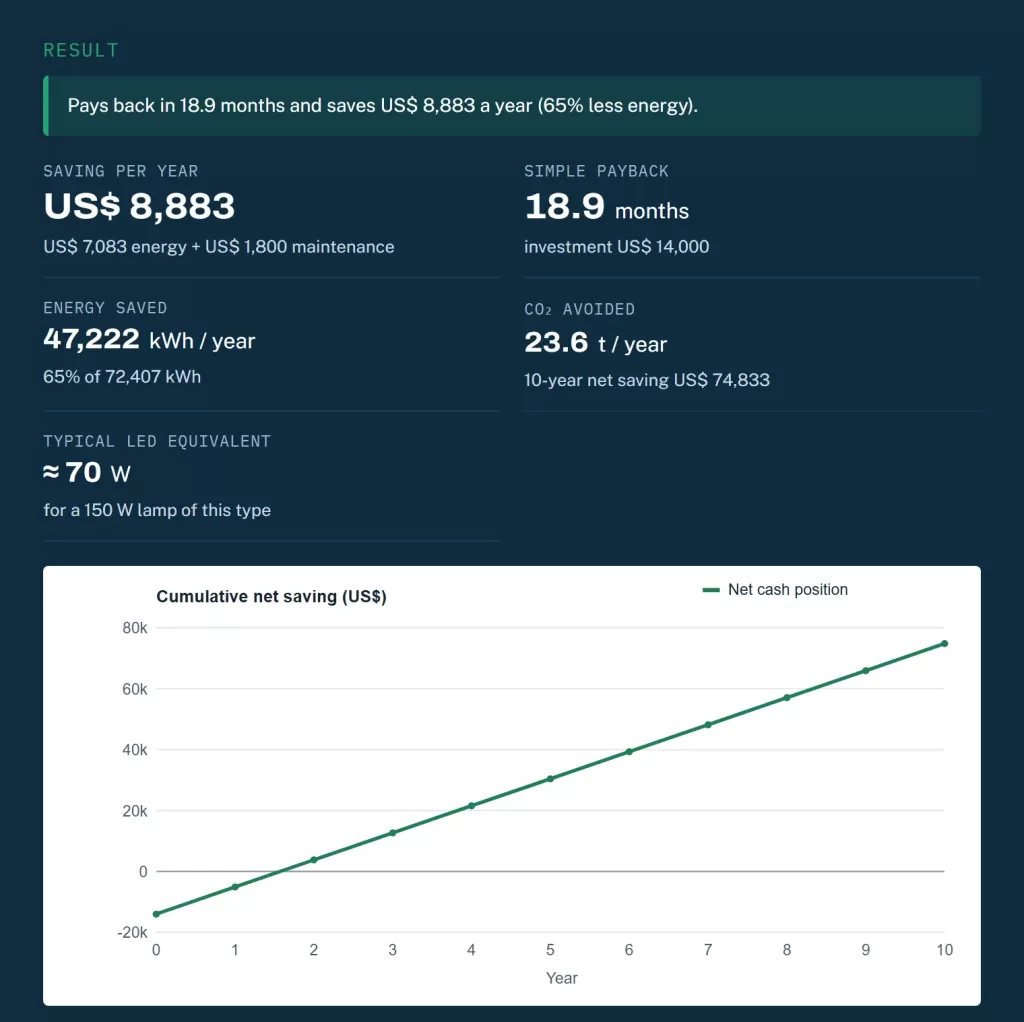
Open the fixture example and change the price and maintenance to compare the bulb.
Over 10 years
The picture changes if the bulbs do not last. Suppose that, running hot inside the old heads, the bulbs need replacing about every four years (twice in ten years, at US$75 each including labour), while the fixtures last the full period:
- Bulbs: US$7,500 + two replacement rounds (US$15,000) + maintenance (US$5,000) → about US$27,500 in hardware and labour over 10 years
- Fixtures: US$14,000 + maintenance (US$2,000) → about US$16,000 over 10 years
The energy cost is the same for both, so the fixture comes out about US$11,500 ahead, with better light on the road. If your bulbs genuinely last as long as a fixture, the bulb wins; the deciding question is how long they last in your housings, in your climate.
When bulbs make sense
- Decorative post-top lanterns, where light spreads in all directions anyway and the housing is open or well ventilated
- Private roads, car parks and compounds without a lighting class
- Short-term fixes on heads due to be replaced within a few years
- Very old heads in good condition, where the budget only allows a lamp change
When to replace the fixture
- Public roads with a required lighting class, where uniformity must be proven
- Enclosed cobra heads in hot climates
- Old housings with yellowed covers, worn gaskets or corroded fittings
- Projects that need dimming or smart controls, which need a proper driver and often a NEMA or Zhaga socket
- Any project that needs a warranty longer than a couple of years
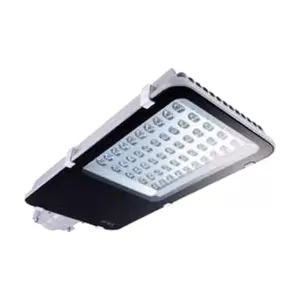
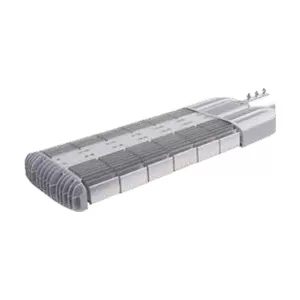
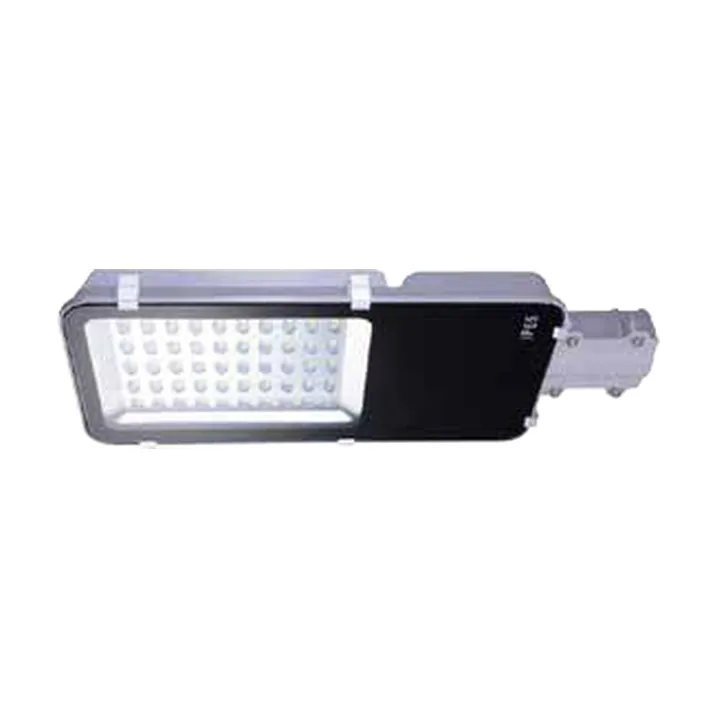
For the wattage equivalents, see the HPS to LED conversion chart. Our compact LED street light (20–80 W) is a low-cost head for lanes and compounds, and our modular LED street lights cover 30–350 W for main roads. Send us the existing lamp types and quantities, and we will compare both routes for your project.
Sources
Frequently asked questions
Can I put an LED bulb in a sodium street light?
Yes, with an LED retrofit bulb designed for it. Some work with the existing ballast; most require the ballast to be bypassed so the bulb runs directly on mains voltage. Check the housing's heat dissipation and the bulb's rated operating temperature, because enclosed street light heads run hot.
What LED bulb replaces a 150 W high-pressure sodium street light?
Typically a 40–60 W LED retrofit bulb, depending on the bulb's efficacy and how well the old reflector suits it. Because the reflector was designed for a small sodium arc tube, the light on the road can be lower than the bulb's lumens suggest.
Is it better to replace the street light fixture or just the bulb?
For roads with a lighting standard, replacing the fixture usually gives better light on the road, longer life and a longer warranty. Bulbs are a reasonable choice for decorative post-top lanterns, private roads and short-term fixes before a full replacement.