
Wall Washer Downlights: How Asymmetric Downlights Light Walls Evenly
What a wall washer downlight is, how asymmetric optics light walls evenly, spacing and distance from the wall, recessed, track and linear types, and where to use them.
Key points
- A wall washer downlight has an asymmetric reflector or lens that throws light sideways onto a wall, instead of straight down.
- Set them about one-quarter to one-third of the ceiling height away from the wall, and space them about the same distance apart.
- Wall washing makes rooms feel larger and brighter, highlights displays and art, and reduces the cave effect of downlights alone.
- Recessed wall washers, track wall washers and linear wall grazers each suit different spaces.
In many rooms, downlights light the floor and leave the walls dark. The result feels gloomy and smaller than it is, even when the floor is bright. Lighting the walls changes how a space is perceived. Wall washer downlights are designed to do exactly that.
What makes a wall washer different
A normal downlight sends a symmetric cone of light straight down. A wall washer has an asymmetric reflector or lens, or a kick reflector, that sends most of the light sideways and towards the wall. Placed in a row parallel to a wall, wall washers light the wall surface evenly from near the ceiling towards the floor.
Types include:
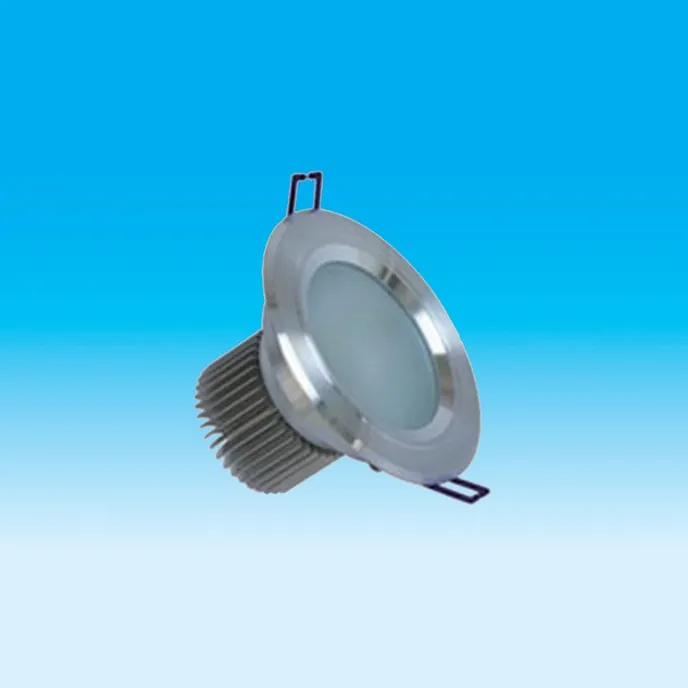
- Recessed wall washers: look like downlights from below, often with a scoop or lens on one side
- Double wall washers: for corridors, lighting both walls
- Track wall washers: heads on track with asymmetric reflectors; flexible for retail and galleries
- Linear wall washers: continuous linear fittings recessed in the ceiling near a wall, for very even results
- Wall grazers: linear fittings very close to the wall, for texture
Why wash walls?
- Rooms feel larger and brighter: our eyes judge brightness largely from vertical surfaces
- Better visual comfort: less contrast between bright floors and dark walls
- Highlights displays: shelving, artwork, signage and feature walls
- Wayfinding: lit end walls draw people along corridors
- Architectural emphasis: shows materials and finishes
Placement rules of thumb
| Ceiling height | Distance from wall | Spacing between fittings |
|---|---|---|
| 2.5 m | 0.6–0.8 m | 0.6–0.8 m |
| 3 m | 0.75–1.0 m | 0.75–1.0 m |
| 4 m | 1.0–1.3 m | 1.0–1.3 m |
| 5 m | 1.25–1.6 m | 1.25–1.6 m |
The general rule: distance from the wall and spacing both about one-quarter to one-third of the ceiling height. Closer and tighter gives more even light near the top; further gives more light lower down. Start and end the row about half a spacing from the corners.
Getting an even wash
- Use fittings designed as wall washers, not normal downlights aimed at a wall
- Keep spacing consistent
- Use the same fitting, wattage and colour temperature along the wall
- Matt wall finishes give even washes; glossy finishes show reflections of the fittings
- For very high walls, linear wall washers give the most uniform result
Wall washing vs grazing
Washing: fittings set back from the wall give even, flat light that hides texture. Ideal for smooth walls, artwork and displays.
Grazing: fittings close to the wall (often 15–30 cm) with narrow, steep beams reveal texture: stone, brick, timber and textured plaster. Grazing on smooth plaster shows every imperfection, so use it only on surfaces that benefit.
Where to use wall washers
- Retail: shelving walls and perimeter displays, which draw customers into the store
- Galleries and museums: even light on artwork walls
- Hotels: lobbies, corridors and feature walls
- Offices: reception walls, meeting rooms, corridors
- Restaurants: feature walls and bar backs
- Homes: living room feature walls, hallways, artwork
Colour temperature and CRI
- Match the colour temperature of the general lighting
- CRI 90+ for artwork, retail and materials where colour matters
- Warm white (2700–3000 K) for hospitality and homes; 3000–4000 K for retail and offices
Recessed vs track
Recessed: clean ceiling, permanent layout, best for fixed walls.
Track: heads can be moved and re-aimed as displays change; popular in retail and galleries. See LED track lighting.
Outdoor wall washing
The same principles apply outside with ground-mounted or wall-mounted wall washers, lighting facades and garden walls. Our LED wall washer is used for building facades.
Installing recessed wall washers
- Mark positions in a line parallel to the wall at the chosen distance
- Cut ceiling holes to the fitting’s cut-out size
- Orient the asymmetric optic towards the wall (usually marked)
- Connect and fix, then check the wash at night or with blinds closed
Our recessed downlight installation guide covers cut-outs, wiring and ceiling types.
Common mistakes
- Using normal downlights too close to walls, creating scallops of light
- Inconsistent spacing
- Fittings oriented the wrong way
- Wall washers on walls covered in glossy tiles or glass
- Forgetting the corners
Energy and controls
LED wall washers are efficient, and dimming them separately from general lighting allows scenes: brighter walls during the day, softer at night. In offices, lit walls can allow lower general light levels without the space feeling dim.
A worked example: retail perimeter wall
Consider a shop with a 3 m ceiling and a 12 m perimeter wall of shelving. Following the rule of thumb, wall washers go about 0.8–1 m from the wall and the same distance apart, so about 12–14 fittings along the wall. With 15–20 W LED wall washers, the shelves are lit evenly from top to bottom, and products on the highest and lowest shelves are visible. The general lighting in the centre of the shop can then be lower, because the bright walls make the space feel well lit. In many shops, this approach uses less energy than lighting the whole floor brightly while selling more from the perimeter.
Art and galleries
In galleries, the aim is even light across each wall so that every work is lit similarly, with no scallops. Track wall washers allow curators to adjust for each exhibition. Combine wall washing with a few accent spotlights for key works, and control both separately so levels can be tuned to protect light-sensitive pieces.
Products
Our LED downlights, COB recessed spotlights and track lights are used in retail and hospitality projects; ask us which optics are available for wall washing in the size you need. Send us your ceiling plan and we will suggest positions.
Sources
Frequently asked questions
What is a wall washer downlight?
A recessed or surface downlight with an asymmetric optic that directs light onto a nearby wall, washing it evenly from ceiling towards floor, rather than lighting the floor below.
How far from the wall should wall washers be?
A common rule is about one-quarter to one-third of the ceiling height. For a 3 m ceiling, about 0.75–1 m from the wall, with spacing between fittings about the same.
What is the difference between wall washing and wall grazing?
Wall washing lights a wall evenly from a distance, hiding texture. Wall grazing places lights close to the wall to show texture with strong shadows.