
Metal Halide to LED: Replacement Wattage, Lamps vs Fixtures and Savings
How to replace metal halide lamps and fixtures with LED: wattage equivalents from 70 W to 1,500 W, retrofit lamps vs new fixtures, ballast bypass, why metal halide fades, and typical savings.
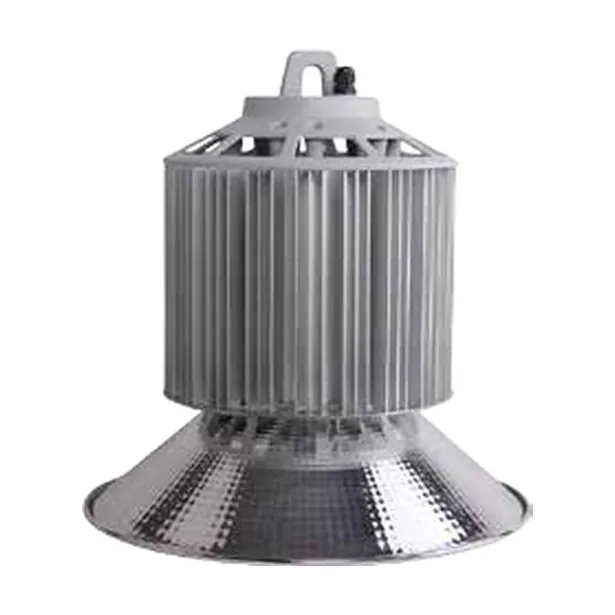
Key points
- Metal halide lamps lose 30–40% of their light before they fail and need minutes to restart; LED keeps output longer and starts instantly.
- Typical replacements: 400 W metal halide (about 455 W with ballast) by 150–200 W LED; 1,000 W by 300–500 W; 1,500 W by 600–800 W.
- LED retrofit lamps keep the old fixture but bypass the ballast; new LED fixtures give better optics and longer life.
- Savings are typically 50–70% of energy, plus far fewer lamp changes at height.
Metal halide lamps lit warehouses, sports fields, car parks and shop floors for decades. They give white light and high output, but they also take minutes to start, fade quickly and use a lot of power through their ballasts. Replacing them is one of the most common and best-paying lighting upgrades.
Why replace metal halide
| Issue | Metal halide | LED |
|---|---|---|
| Warm-up | 3–5 minutes | Instant |
| Restrike after power cut | 10–20 minutes | Instant |
| Lumen depreciation | 30–40% loss over life | Typically 10–20% over a much longer life |
| Lamp life | 10,000–20,000 h | 50,000–100,000 h |
| Colour shift with age | Noticeable | Small |
| Ballast losses | 10–15% extra | Driver about 5–10% |
| Dimming | Limited | Easy |
| Mercury | Yes | No |
Wattage equivalents
| Metal halide lamp | System power (with ballast) | LED replacement |
|---|---|---|
| 70 W | about 90 W | 25–35 W |
| 100 W | about 120 W | 35–50 W |
| 150 W | about 180 W | 50–70 W |
| 175 W | about 210 W | 60–80 W |
| 250 W | about 290 W | 80–120 W |
| 400 W | about 455 W | 150–200 W |
| 1,000 W | about 1,080 W | 300–500 W |
| 1,500 W | about 1,610 W | 600–800 W |
The range depends on how the light is used: in high bays with good optics, the lower end is often enough; for floodlights with long throw, the upper end. See also our HPS to LED conversion chart for sodium lamps.
Retrofit lamp or new fixture?
| LED retrofit lamp | New LED fixture | |
|---|---|---|
| Cost | Lower | Higher |
| Installation | Change lamp, bypass ballast | Replace fixture |
| Optics | Old reflector, often wasteful | Designed for LED |
| Heat | Can be a problem in enclosed fixtures | Designed heat sink |
| Life | Shorter in hot fixtures | Longest |
| Dimming, sensors | Rarely | Easy to add |
| Best for | Decorative and sound fixtures, tight budgets | Warehouses, sports, car parks, long-term |
Retrofit lamps for HID sockets are often corn-style lamps; see our corn cob LED bulb guide for ballast bypass and heat issues.
Typical applications
- Warehouses and factories: 400 W metal halide high bays → 150 W LED high bays
- Car parks: 250–400 W shoeboxes → 100–150 W LED area lights; see parking lot light repair for retrofit steps
- Sports fields: 1,000–1,500 W floods → 400–1,000 W LED; see soccer field lighting
- Gas station canopies: 250–400 W → 80–150 W LED canopy lights
- Ports and yards: 1,000 W floods on high masts → 400–600 W LED
Ceramic metal halide
Ceramic metal halide (CMH) lamps have better colour and efficacy than older quartz types and are common in shops and some grow lighting. LED still uses less power and lasts longer, but the gap is smaller. Match CRI when replacing CMH in shops (Ra 90 LED for Ra 90 CMH).
Savings example
A warehouse with 100 × 400 W metal halide high bays (455 W each) replaced by 150 W LED, running 5,000 hours a year at US$0.12/kWh:
- Saving per fixture: 305 W
- Annual energy saving: 305 × 100 × 5,000 ≈ 152,500 kWh
- About US$18,300 a year, plus lamp replacements avoided
Add occupancy sensors in aisles, which metal halide could not use because of restrike times, and savings rise further. Check your own case with the LED retrofit savings calculator.
Planning the replacement
- Survey existing fixtures: wattage, mounting height, actual light levels
- Decide light targets; old installations are often under-lit after years of lamp fading
- Choose fixtures from photometric data, not wattage tables alone
- Plan controls: occupancy, daylight, schedules
- Plan disposal of old lamps (they contain mercury)
Light quality
- Choose CCT to suit the space: 4000–5000K for industry and sports, 3000–4000K for retail
- Ra 70–80 for industry, Ra 80–90 for retail and sports filmed on camera
- Check glare: LED fittings are brighter at the source; use diffusers or reflectors where people look up
Ballasts and wiring
When fitting new LED fixtures, the old ballast is removed with the old fixture. For retrofit lamps, the ballast, ignitor and capacitor are bypassed; the fixture is labelled so nobody fits a metal halide lamp again.
Common questions during conversion
Will LED look as bright? Usually brighter in practice, because old metal halide lamps have faded and LED optics put more light where it is needed. Measure before and after to show the difference.
Can we reuse the poles and brackets? Usually yes for floodlights and area lights, if they are sound. LED fixtures are often lighter and have less wind area.
What about very high ceilings? For 12–15 m and above, choose LED high bays with narrow optics, or floodlights, to keep light on the floor.
Do we need new wiring? Normally not for one-for-one replacements; the existing circuits can carry the lower load. Adding dimming or sensors may need control wiring or wireless controls.
Disposal
Old metal halide lamps contain mercury and must be recycled through approved collectors, not landfilled. Ballasts may contain capacitors that also need proper disposal. Include this in the project plan and budget.
Ordering
Send the list of existing metal halide fixtures, their wattages and mounting heights, and how the spaces are used. We will propose LED fixtures or retrofit options and estimate savings.
Sources
Frequently asked questions
What LED replaces a 400 W metal halide?
Usually a 150–200 W LED high bay or floodlight. A 400 W metal halide system draws about 455 W with its ballast and, after some months, gives much less than its rated lumens, so 150 W of good LED often matches or exceeds it in practice.
Can I put an LED bulb in a metal halide fixture?
Yes, with an LED retrofit lamp designed for HID fixtures. Most require the ballast and ignitor to be removed or bypassed. Check heat ratings for enclosed fixtures and label the fixture as converted.
Why are metal halide bulbs so expensive?
They contain an arc tube with metal halide salts, need precise manufacturing and are produced in falling volumes as markets move to LED. Their short life compared with LED adds to the real cost.