
Street Light Shields: House-Side Shields, Glare Shields and Backlight Control
How to stop street light shining into homes: house-side shields, glare shields and deflectors, backlight-control optics, re-aiming and dimming, and what utilities and residents can ask for.
Key points
- A house-side shield blocks the part of a street light's beam that goes behind the pole, towards homes and gardens.
- Glare shields and louvres cut bright light at high angles that dazzles drivers and pedestrians.
- Modern LED optics with backlight control often solve the problem without a separate shield.
- Re-aiming, a different optic, warmer colour temperature or dimming after midnight are alternatives to shields.
LED street lights brought brighter, whiter light to many streets, and with it complaints of light shining into bedrooms. The problem is usually not the brightness of the road light but light going where it is not needed: behind the pole and at high angles. Shields and better optics fix most cases.
Types of light spill
| Problem | Where the light goes | Fix |
|---|---|---|
| Backlight | Behind the pole, onto houses and gardens | House-side shield, backlight-control optic |
| Glare | High angles into eyes of drivers and walkers | Glare shield, louvres, lower-glare optic |
| Uplight | Above the horizontal into the sky | Full cut-off luminaire, flat lens |
The IES BUG rating (backlight, uplight, glare) classifies luminaires by these three; low B and G numbers mean less spill.
House-side shields
A house-side shield is a panel fixed on the side of the luminaire facing away from the road:
- Blocks light behind the pole
- Usually painted black or reflective inside
- Fitted by the utility or a contractor at height
- Slightly reduces total light, but mainly unwanted light
Many LED manufacturers offer shields for specific models; universal shields fit common shapes.
Glare shields and louvres
Glare shields cut light at high angles:
- Louvres or visors on the sides of the luminaire
- Useful where drivers or pedestrians see the light from far away
- Common on decorative lanterns and post-tops
Optics with backlight control
Modern LED street lights often include optics that send almost no light behind the pole. Options:
- Type II or III optics with backlight control for streets with houses close to poles
- House-side optics that tilt light towards the road
- Lower glare classes for residential streets
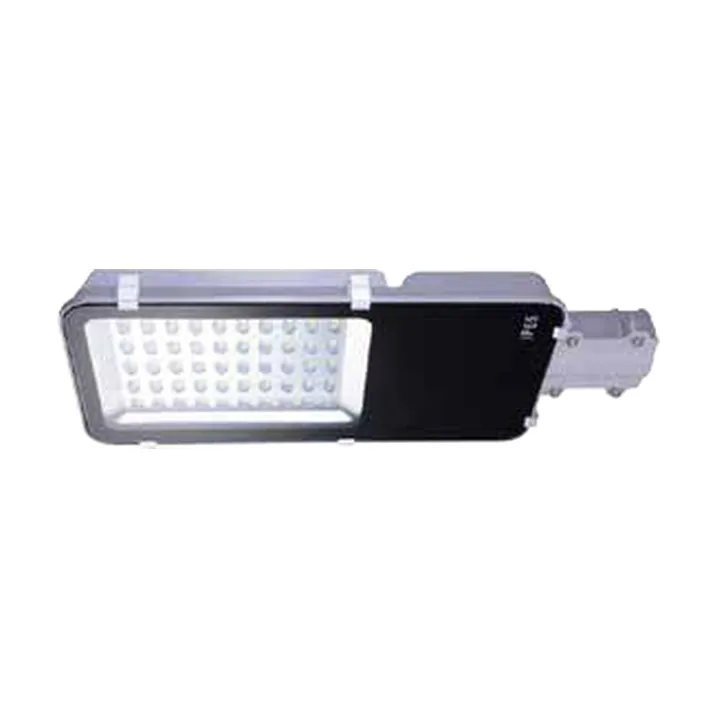
Our compact LED street lights and modular LED street lights offer road optics and adjustable mounting angles; ask about backlight-control options when ordering for residential streets.
Other ways to reduce intrusion
| Method | Effect |
|---|---|
| Level the luminaire | A tilted head throws light upward and behind |
| Warmer CCT (3000K or lower) | Feels less harsh; reduces sky glow |
| Dimming after midnight | Less light during sleep hours |
| Lower wattage | Where the road is over-lit |
| Move or change the luminaire | Where the pole position is the problem |
Dimming is covered in LED street light dimming controls.
For residents
- Note the pole number (often on a tag on the pole)
- Contact the owner: city public works or the electricity utility
- Ask for a house-side shield, re-aiming or a different optic
- Meanwhile, blackout curtains or blinds help immediately
Request processes vary; some utilities fit shields on request, others assess each case.
For utilities and cities
- Specify BUG ratings and backlight control for residential streets in tenders
- Keep a stock of shields for complaints
- Choose 3000K for residential roads where policies allow
- Use smart controls to dim after midnight
- Check lighting levels after fitting shields so the road still meets its class
See road lighting classes for target levels.
Shields on solar street lights
Solar street lights can also use shields, but some all-in-one designs have the panel in the same housing; shields must not shade the panel. Choosing an optic with backlight control is usually better than adding a shield.
Common mistakes
- Fitting shields that block light from the pavement as well as the house
- Tilting heads upward to “reach further”, increasing glare
- Choosing very cool white (5000–6000K) on residential streets
- Ignoring complaints until a whole street is affected
Why LED made the problem more visible
Old high pressure sodium lights spread a soft orange glow in all directions, including behind the pole. LED lights are more directional and much brighter at the source, with whiter light. A badly chosen LED optic can therefore throw a sharp, bright patch onto a bedroom wall where the old lamp gave only a dim glow. Good LED optics actually reduce spill compared with old lamps, but only if the right distribution is chosen for each street.
Planning residential street projects
When converting a residential street, survey distances from poles to houses and note windows facing the road. Where homes are closer than about the mounting height to the pole, specify backlight-control optics or shields from the start. Pilot one street and ask residents for feedback before converting the whole district. This small step avoids hundreds of complaints and retrofit visits later.
Balancing safety and comfort
Shields reduce light on front gardens and the back of the pavement, which some residents value for security. Discuss options with residents and the police where security is a concern; sometimes a dimmer, warmer light is preferred to complete shielding.
Light at the right level
Sometimes the real problem is over-lighting. Some LED conversions replaced old lamps with fixtures that are brighter than the road needs. Checking the light level against the road class, and reducing wattage or dimming where the street is over-lit, solves complaints and saves energy at the same time. Smart controllers make this easy because the level can be changed remotely without visiting the pole. A short night survey with a light meter after any change confirms that the road still meets its target and that the complaint has been resolved for the residents concerned.
Ordering
For new projects or replacements on residential streets, tell us road widths, pole positions and distances to houses. We will propose optics and, where needed, shields that keep light on the road.
Sources
Frequently asked questions
How do I stop a street light shining in my window?
Contact the street light owner, usually the city or electricity utility, and ask for a house-side shield, a change of optic, or re-aiming. Some utilities fit shields on request. Inside the home, blackout curtains are a quick fix.
What is a house side shield on a street light?
A metal or plastic panel fixed to the side of the luminaire facing the houses. It blocks light that would otherwise spill behind the pole into gardens and windows, while keeping light on the road.
Do LED street lights need shields?
Often not, if they have good optics with backlight control. Older LED designs and cobra-head fixtures with wide distributions may need shields where homes are close to the pole.