
Lighting Market Brief, 12 October 2026: Cambodia Lights 1,200 km of Roads with Solar, LFP Cell Prices Slide, Aluminium Eases
This week: Cambodia starts a national solar street lighting programme on about 1,200 km of roads, LiFePO4 cell and lithium prices keep falling, LME aluminium eases from its summer high, a Rutgers study links LED street lighting to a 46% drop in violent crime, and copper theft pushes cities towards solar.
Five things that matter to people who buy road and area lighting this week. Each item covers what happened, why it matters for a lighting project, and where to read more. Sources are listed at the end.
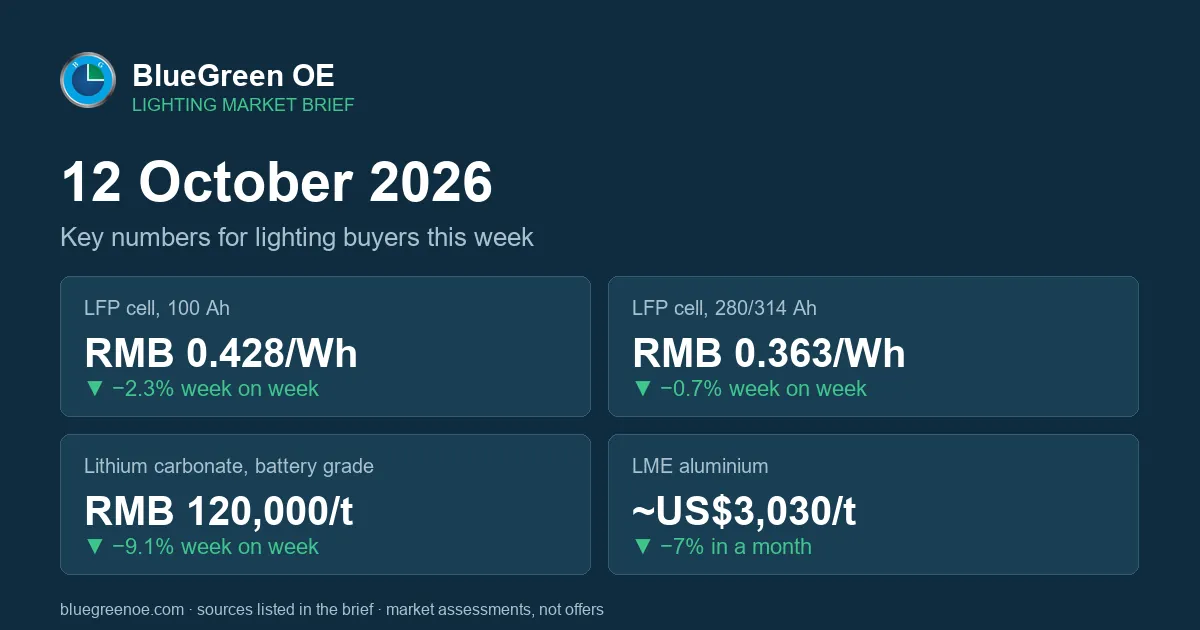
Key numbers this week
| Indicator | Latest | Change | What it affects |
|---|---|---|---|
| LFP cell, 100 Ah (China, InfoLink) | RMB 0.428/Wh (30 Sep) | −2.3% week on week | Battery cost of solar street lights |
| LFP cell, 280/314 Ah (China, InfoLink) | RMB 0.363/Wh (30 Sep) | −0.7% week on week | Large split-system batteries |
| Lithium carbonate, battery grade | RMB 120,000/t (30 Sep) | −9.1% week on week; peak ~200,000 in May | Future cell prices |
| LME aluminium | ~US$3,030/t (12 Oct) | about −7% in a month, about +9% year on year | Luminaire housings and heat sinks |
1. Cambodia starts a national solar street lighting programme on about 1,200 km of roads
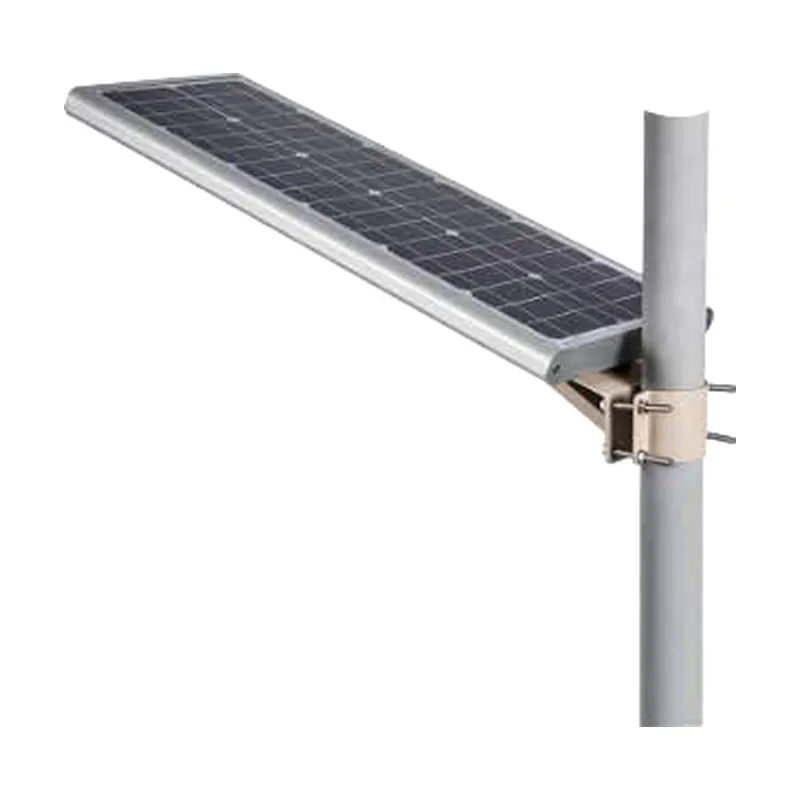
What happened. Cambodia has begun installing solar street lights along national roads in 13 provinces and Phnom Penh, covering about 1,200 km. The first phase is run jointly by the Ministry of Public Works and Transport and the Ministry of Mines and Energy, under an agreement signed on 14 July. Reports put the budget at US$5–6 million, and the Minister of Mines and Energy said the project should take no longer than two years. Roads were chosen by traffic volume, accident history, and the presence of schools and markets. Installation has already started in Battambang, Pursat and Kampong Chhnang, and the government has said the programme could later cover all 25 provinces.
Why it matters. This is a national-road programme, not a village scheme, and the specification will be different. National roads usually need taller poles (8–10 m), more output, and enough battery for the monsoon. Southeast Asian programmes of this kind are increasingly common, and they are also where under-sized lights fail first. A US$5–6 million budget across 1,200 km is a tight number per kilometre, so pole spacing and the night-time dimming schedule will decide whether the budget works.
Read more: Pole height and spacing for solar street lights · All-in-one vs split systems for main roads · Our solar street lights
2. LiFePO4 cell prices and lithium keep falling
What happened. InfoLink’s weekly China assessment of 30 September, the last before China’s October holiday, put 100 Ah LFP storage cells at about RMB 0.428/Wh, down 2.3% in a week. The larger 280 Ah and 314 Ah formats were at about RMB 0.363/Wh. Battery-grade lithium carbonate fell 9.1% in a week to about RMB 120,000 per tonne, well below its peak of around RMB 200,000 in May. Cell prices are now roughly 10% below their July–August peak.
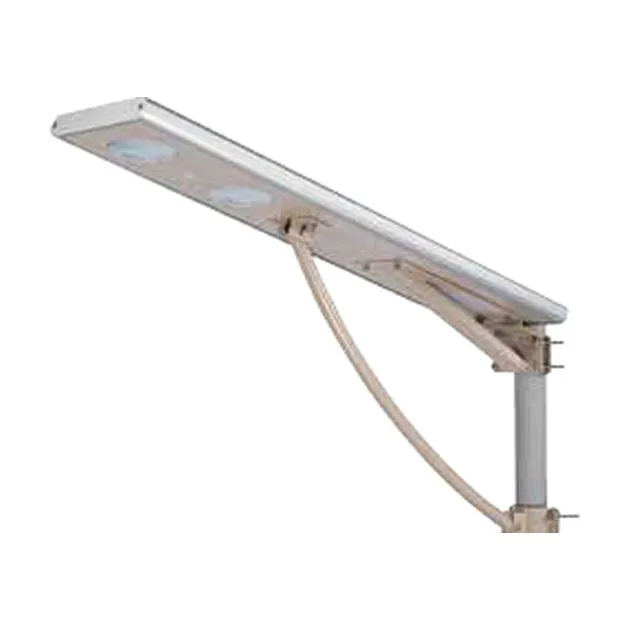
Why it matters. The battery is usually the largest single cost in a solar street light, and the one most often cut to meet a price. Lower cell prices give buyers room to ask for the right battery size rather than a smaller one. When you compare quotations, check the battery in Wh (volts × amp-hours), not just the LED wattage. Ask for the quote date as well: a quote issued in August was priced on more expensive cells.
Read more: How to calculate solar street light battery capacity · LiFePO4 vs gel vs NMC batteries · Solar street light calculator
3. Aluminium eases from its summer high
What happened. Aluminium on the London Metal Exchange was about US$3,030 per tonne on 12 October, according to Trading Economics. That is roughly 7% lower than a month earlier but still about 9% higher than a year ago. LME daily closes reported by Alcircle fell from about US$3,135 on 6 October to about US$3,060 on 8 October.
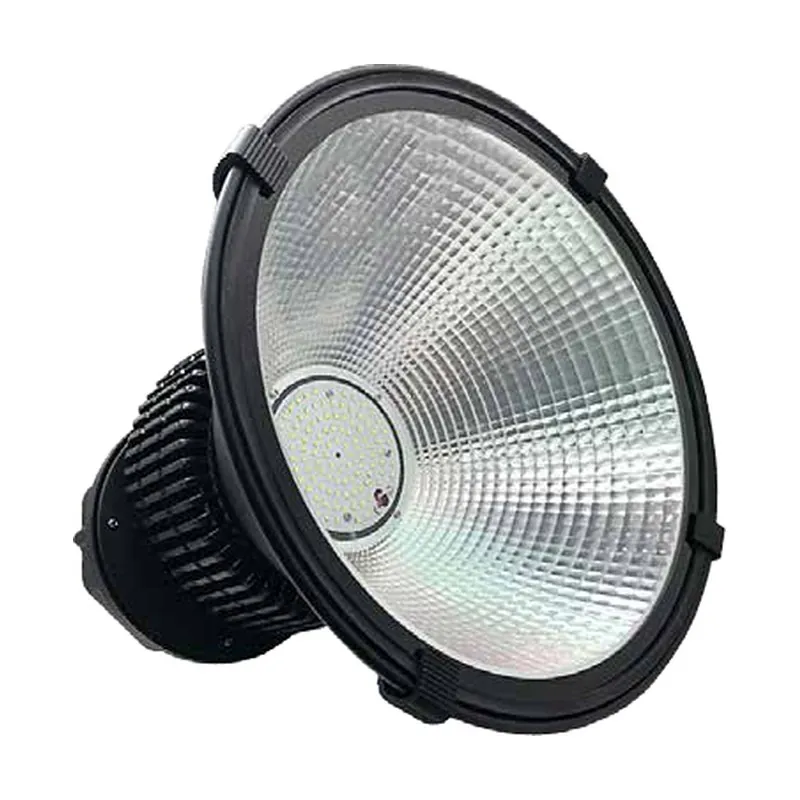
Why it matters. Die-cast aluminium makes up the housing and heat sink of LED street lights, floodlights and high bays. Heat-sink mass is one of the first things cheaper suppliers reduce. A short-term dip is not a reason to rush an order, but it does make it easier to insist on proper heat sinking, which decides how long the LEDs last.
Read more: LED street lights · Heat-pipe and fin LED high bay lights
4. Study: better LED street lighting cut violent crime by 46% in Newark
What happened. A Rutgers University–Newark study published in the Journal of Quantitative Criminology evaluated more than 1,500 LED fixtures installed at crime hot spots across Newark, New Jersey, between 2019 and 2021. Violent crime at those locations fell by nearly 46% and burglaries by 58%, with no sign that crime moved to nearby streets. The effect lasted about six months, after which the authors say community measures are needed to sustain it.
Why it matters. Municipal buyers often have to justify lighting budgets on more than energy savings. This is one of the first citywide evaluations rather than a single-street trial, and it is useful evidence for a business case. Note what drove the result: lights were placed where the problem was, not spread evenly. Good lighting design (pole positions, uniformity and avoiding dark gaps) matters as much as the fittings.
Read more: Pole height and spacing guide · LED street lights
5. Copper theft keeps pushing cities towards solar
What happened. In Edmonton, Canada, the city is repairing about 20 street lights in the Bellevue neighbourhood that were stripped of copper wire. Repairs were expected to take longer than usual. The case echoes Los Angeles, where Mayor Karen Bass signed a directive in March 2026 to install up to 60,000 solar street lights over two years. Solar lights have no supply cable for thieves to strip. Los Angeles reported that copper wire theft had risen by 1,200% over the last decade, and that theft-related repairs cost at least four times as much as normal maintenance.
Why it matters. Where cable theft is common, which includes many cities in Africa, Latin America and South Asia, solar street lights avoid the problem entirely. They also remove trenching and grid-connection costs. All-in-one units keep every component at the top of the pole, out of easy reach. With split systems, mount the battery high or bury it.
Read more: All-in-one vs split solar street lights · Solar street lights
The market brief is compiled by the BlueGreen OE engineering team from the public sources listed below. Prices are market assessments, not offers. Send us your project details for a current quotation.
Sources
- Solar Quarter — Cambodia begins $6 million solar street light project across 13 provinces and 1,200 km of roads (8 Oct 2026)
- Cambodianess — Solar streetlights planned for 13 provinces to improve road safety
- Solarbytes — Lithium prices fall 9.1% as China LFP cell prices decline, citing InfoLink (8 Oct 2026)
- Trading Economics — Aluminium price, historical data
- Alcircle — Daily LME aluminium price
- Phys.org — Study finds brighter street lighting reduces violent crime (7 Oct 2026)
- The LA Local — Bass orders 60,000 streetlights to get solar upgrade in two-year plan
- CTV News — Streetlights vandalized, stripped of copper wire in north-central Edmonton neighbourhood
Frequently asked questions
Are solar street light prices going down in October 2026?
The main cost drivers are easing. China's InfoLink assessment put 100 Ah LFP cells at about RMB 0.428/Wh in its 30 September 2026 assessment, down 2.3% in a week, and battery-grade lithium carbonate fell to about RMB 120,000/t. LME aluminium was about US$3,030/t on 12 October, down roughly 7% in a month. Whether this reaches your quote depends on the supplier's purchasing cycle, so ask for the quote date and validity.
Why are cities replacing grid street lights with solar lights?
Besides energy cost, copper cable theft is a growing reason. Solar street lights have no buried supply cable to steal. Los Angeles cited copper theft when it announced a plan in March 2026 to install up to 60,000 solar street lights over two years.