
Explosion-Proof Lighting guides
Lighting for hazardous areas: zones, Ex markings, Class/Division, protection types, fixtures and certificates.
Products: Explosion Proof Lighting →
-
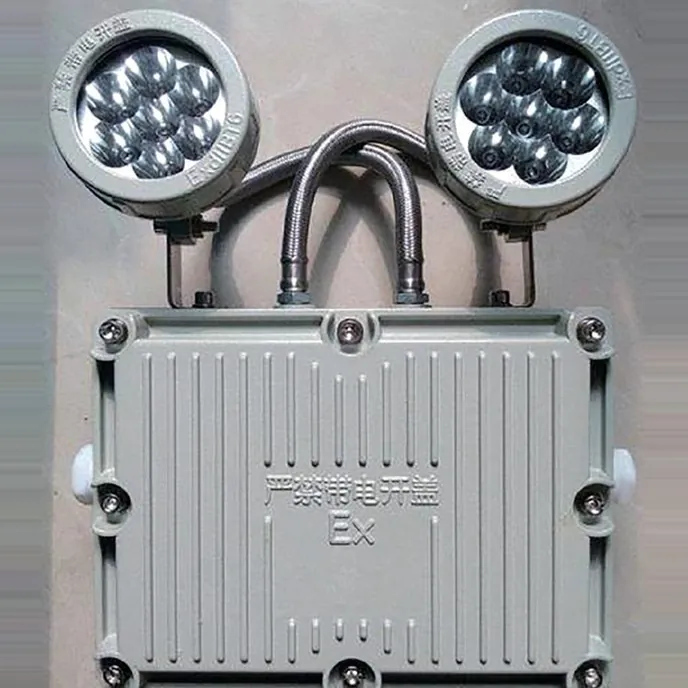
Explosion-Proof Emergency and Exit Lights: What Hazardous Areas Need
Emergency and exit lighting in hazardous areas: escape route light levels and duration, exit sign viewing distances, batteries and certificates, and how to plan it for a plant.
-
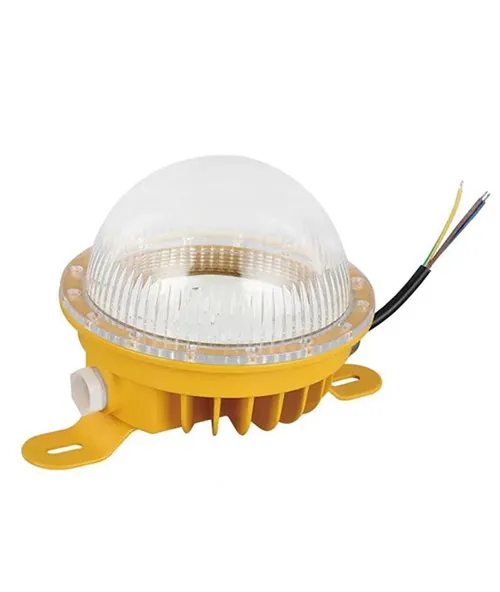
Intrinsically Safe vs Explosion-Proof: Protection Types for Lights and Equipment
Intrinsically safe (Ex i) vs explosion-proof or flameproof (Ex d) equipment, other protection types (Ex e, m, t), and which suits fixed lights, portable lights and sensors.
-
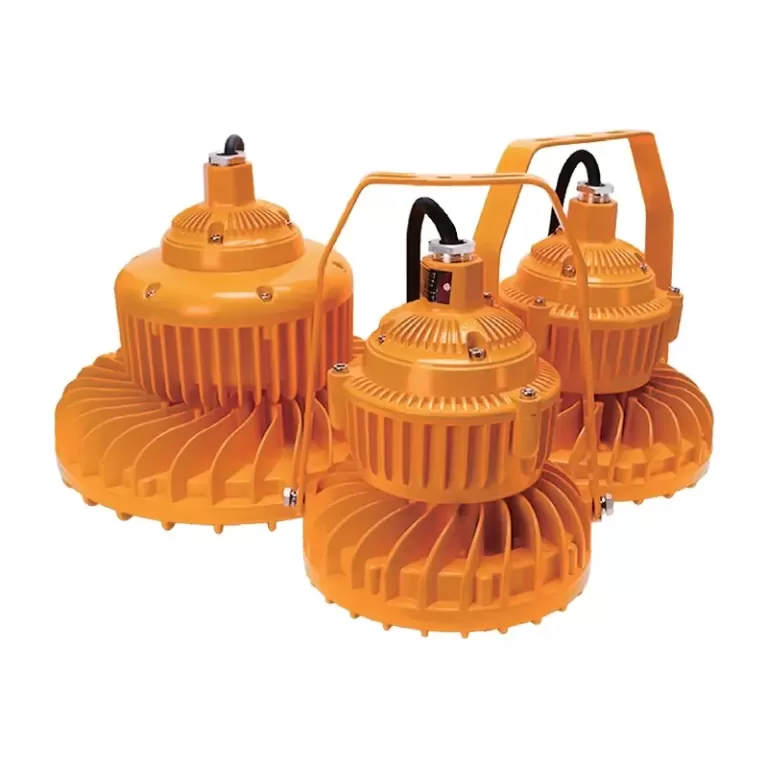
Class 1 Division 1 vs Division 2 Explosion-Proof Lighting: What the Ratings Mean
What Class I Division 1 and 2 mean for LED lighting, how they map to Zones 0, 1 and 2, gas groups A–D, T-codes, listing rules and choosing fixtures for each market.
-
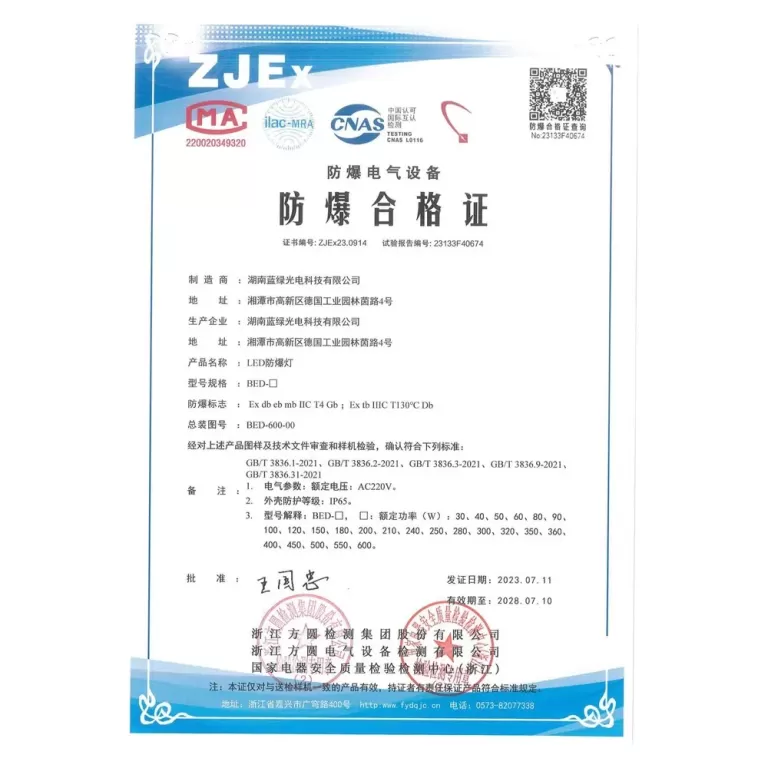
Explosion-Proof High Bay Lighting: Ratings, Wattage and Layout for Hazardous Areas
How to choose explosion-proof LED high bays for chemical plants, fuel depots, paint shops and mines: Ex markings, wattage by height, a worked layout, heat, corrosion and installation.
-
Explosion Proof Lighting for Paint Booths and Spray Rooms
What lighting a paint booth or spray room needs: hazardous zones inside and around the booth, explosion proof and sealed luminaires, light levels and colour rendering for inspecting finishes, and the certification differences between regions.
-
Explosion Proof Lighting Explained: Zones vs Class I Division 1, Gas Groups, T-Codes and Ex Markings
How to choose explosion proof lighting: hazardous zones and the North American Class I Division 1/2 system, gas groups, temperature classes, dust markings and Ex protection types, with a marking decoded and a selection checklist.